
Summer is the season for berries, but fall is the season for nuts. All summer long the nut bearing trees of our forest have been pumping energy into their next generation. In a way I relate, all summer I have been working and putting in the effort to foster the next generation who have been attending our summer camps. Like the trees, not every camper is going to be a full instructor of these skills and knowledge which Ancestral Knowledge strives to pass down, but each of them carries that seed and you never know which one or when that seed will germinate and grow to carry on its ancient line.

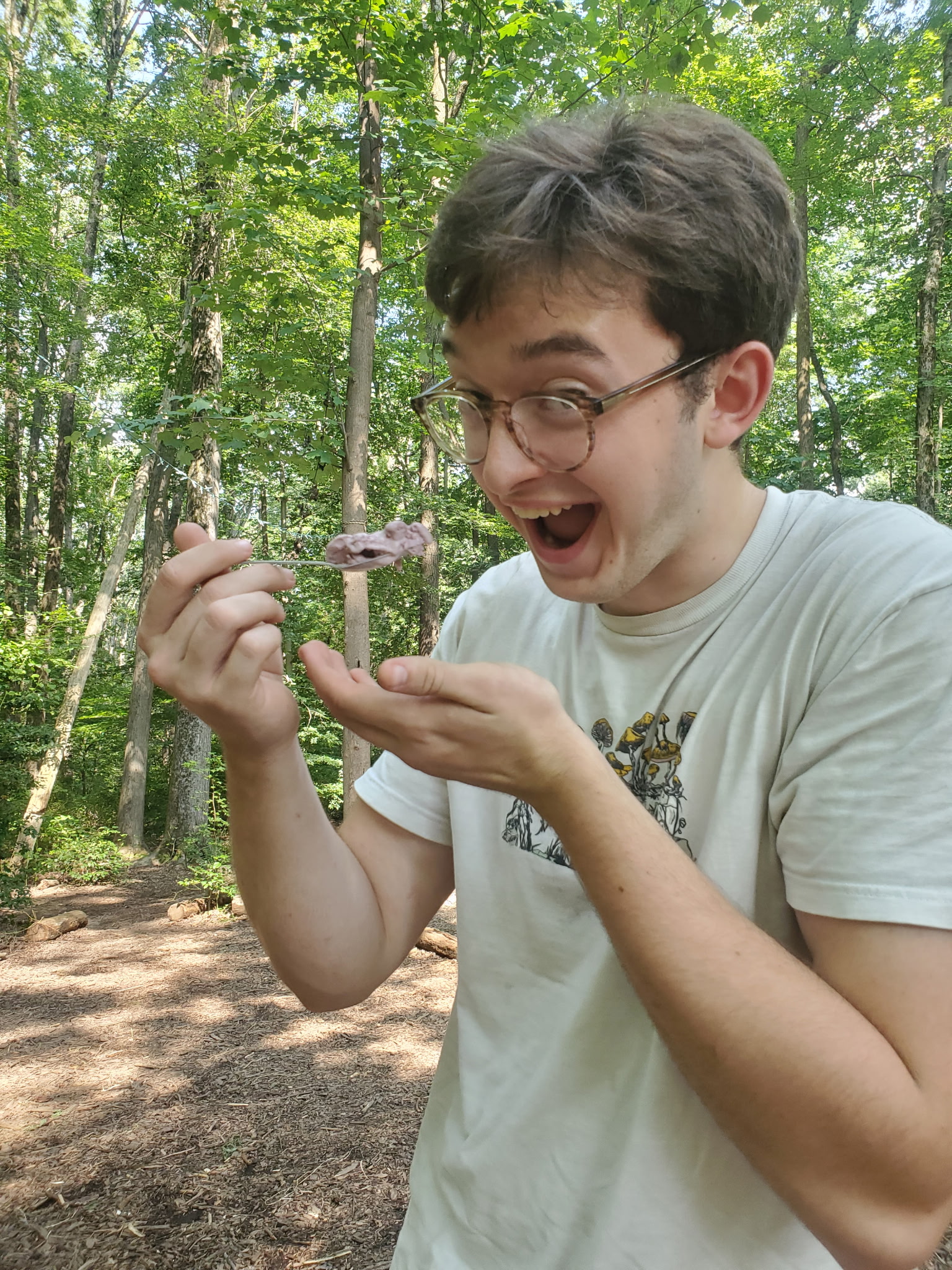
The oaks have been raining acorns here at the cabin. Just yesterday we collected 10 gallons of acorns for processing with one of our Teen Apprentice groups. There are plenty of culinary uses for acorns from flour for pancakes to a thickener for soups and stews. One of the nuts I love is the native Black Walnut. Like many trees and particularly nut trees, they give us many gifts. The wood is gorgeous, they provide great shade all summer long, the husks of the nuts give us a dye, but the actual nut is a bit overlooked. Black walnuts are a bit like Maryland’s beloved blue claw crabs in that they take a bit of work to get the meat out. They do not taste like the commercial walnuts you buy, which are english walnuts, black walnuts have a more robust taste and in my opinion a bit of a fruity quality to them. I love to work them into my seasonal ice cream rotation and make a maple and black walnut ice cream. Below is my recipe, if you don’t have an ice cream maker, no problem, there are plenty of videos on YouTube or you can google “ziplock bag ice cream”. It is a great way to teach kids about chemistry if you are so inclined.
For a quart of ice you will need:
1 1/4 cups heavy cream
1 3/4 cups whole milk
The nut meat out of a dozen black walnuts this should be about a ¼ cup.
½ cup maple sugar (maple syrup is easier to find, if using add an extra teaspoon and reduce the milk by ¼ cup. Alternatively if you don’t have ready access to maple sugars or don’t like that flavor you can use table sugar)
3 egg yolks
¼ tsp guar gum (optional, but it helps with the texture)
Pinch salt
Collect your walnuts using gloves to dehull them. I like to let them dry before processing them further. Beware the squirrels may try and snag some.

Crack them open. If you don’t have a nut cracker that can handle it, channel lock or big vice grip pliers can be used as well as carefully using a rock or hammer on a concrete sidewalk or slab. A pointy tool can be helpful for getting the meat out of the hull. If the nut inside is black, gray, bright yellow or moldy don’t use them.

For the ice cream base, add the cream and milk and walnut bits to a pan and heat up to 140°f.
Whisk the maple sugar and the guar gum before adding them to the yolks. If using maple syrup you may choose to omit the guar gum as it will just get clumpy when it hits the liquid or you can mix it with the salt and a teaspoon of table sugar to prevent it from clumping up.)
Add ¼ of the hot cream mixture to the egg yolks and sugar mixture and whisk. This will temper the egg yolks making it safe to eat. Add the remaining cream mix and finish whisking.
Pop this in the fridge overnight.
If you have an ice cream machine, follow the freezer instructions. If you do not you can google instructions for “ziplock bag ice cream” or get a quick overview here: https://www.youtube.com/shorts/oIWAtN4x92Y
You can eat it straight out of the churn as soft serve or you can pop it in the freezer for a few hours to let it set up.
Bon Appétite!
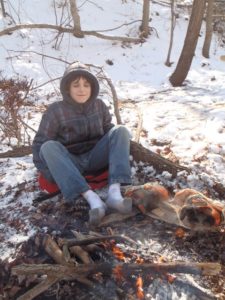 We encourage everyone to get out and enjoy the outdoors during the winter time. However everyone responds to cold temperatures differently. Keeping feet, hands, and clothing dry is very important because toes and fingers are most susceptible to damage from the cold. Whenever possible carry an extra pair of socks in case your feet get wet and a couple plastic shopping bags to put over the dry socks to avoid the boots saturating the dry socks. Wet feet, hands, and clothing need to be addressed in a timely fashion because wet clothing will cause you to lose warmth. If you get wet its best to get indoors or change those layers. If that’s not possible build a fire to warm up and dry out those wet clothes. Being prepared and dressing properly will allow for hours of winter fun and exploration!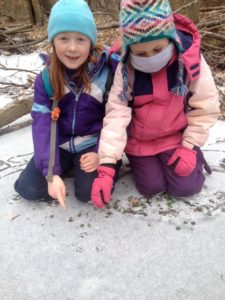
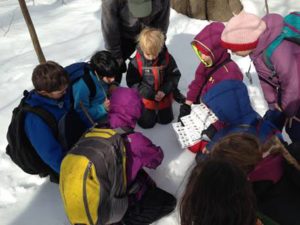 The Outer Layer (Outer winter coats and Snow pants) – The outer layer or shell should be waterproof, providing protection from wind, rain and snow. Waterproof shells typically have minimal insulation so they can be worn over the inner layers without being too balky . You’ll find outer shells in both jackets and pants, making them ideal for a number of cold-weather activities. Your winter coat should have a hood, be wind-resistant, water-repellent and breathable. Down jackets, filled with goose feathers, are excellent for warmth but need to be protected in wet weather with a rain jacket. Fleece-lined ski jackets are excellent also. One-piece snowsuits might be appropriate for kids who spend all day outdoors in the winter. Snowsuits are highly water-resistant and provide the maximum protection from the wet snow.
 Gloves and Mittens – Cold hands can ruin a day. It best to have water-resistant mittens, which keeps hands warmer than gloves. Gloves, however allow for more dexterity. In wet snow or rain water resistant material is important. Fleece and wool mittens become useless when wet. Wet gloves don’t keep hands warm unless you dry them out. Insulating your wrists aids dramatically in keeping you hands warm. Old wool socks with the toes cut out and a thumb hole added make great wrist gators. Wearing water proof mittens with a glove liner gives you the ability to have both warmth and mobility when needed.