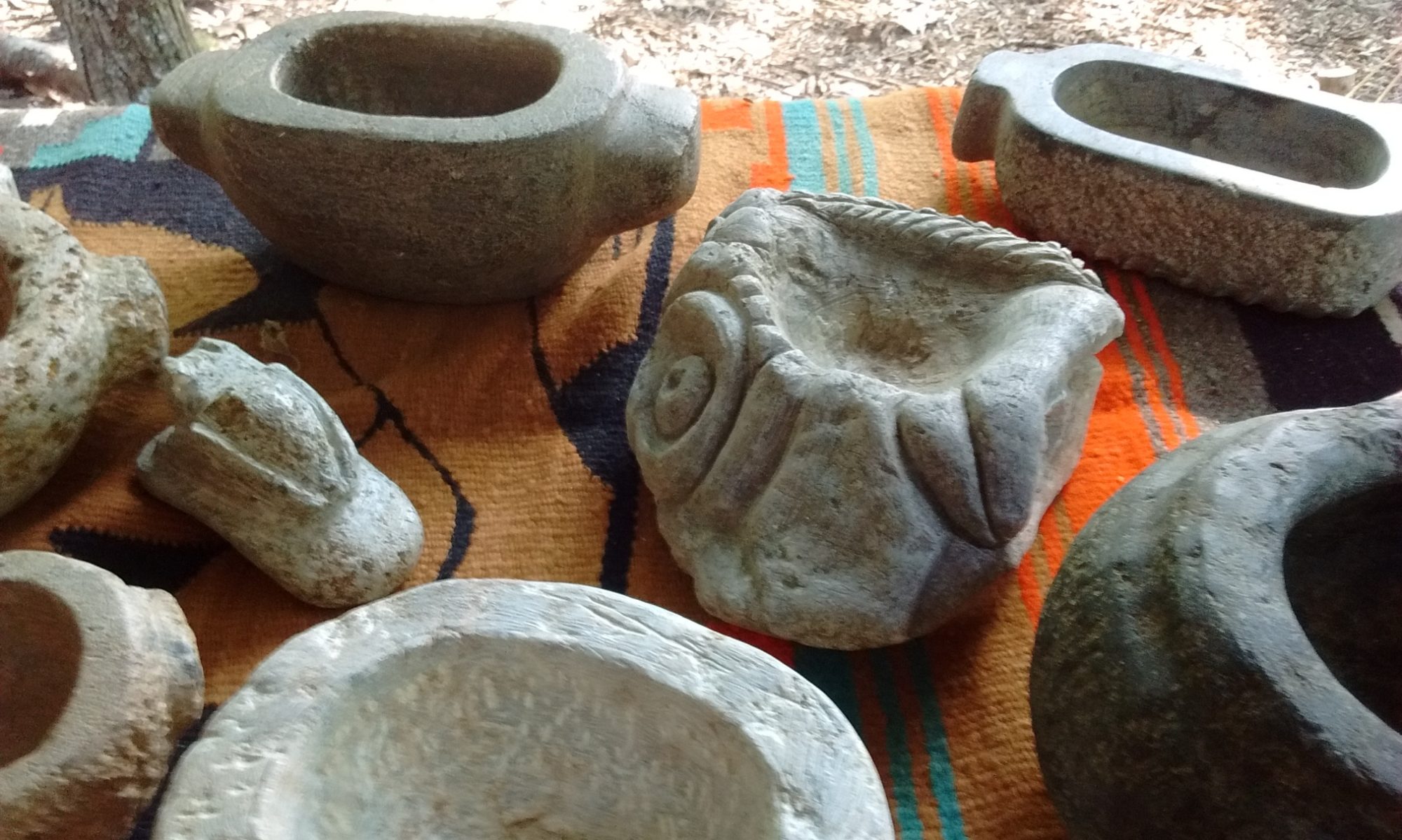

The Three Sisters are taught in most elementary schools as an example of indigenous ingenuity. The beans provide nitrogen, the corn provides the vertical structure for the beans to climb and the squash smother the weeds on the ground. What isn’t also mentioned is that the three together provide a balanced protein source for people who eat them than any one of them would be on their own. Interestingly, the Three sisters were a relatively recent adoption across North America at the point of European contact, there had been a whole other suite of plants that had been domesticated before then! Across the world people figured out similar systems, peas and wheat in Europe, Barahnaja in the Himalayas, cowpeas and sorghum in Africa.
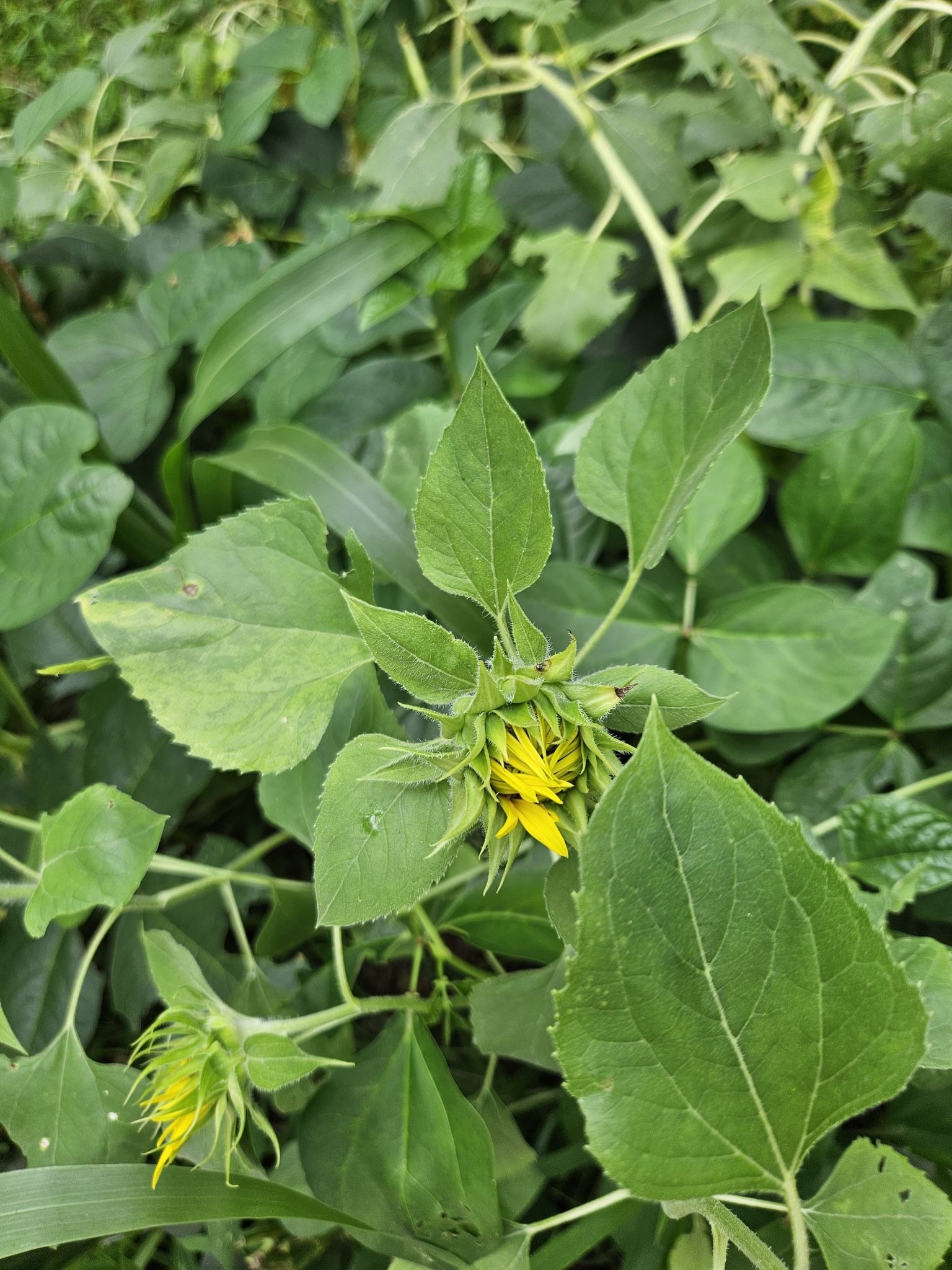
This past winter we tarped off a section of the field behind the Cabin and smothered the grass and other plants growing there. The soil here is not the richest and while we started some other beds, I wanted to try another symbiotic planting to try and improve the soil on this spot. I planted a three seed mix, sorghum, sunflower and cowpeas. Sunflowers have the deepest tap roots out of those three which would help it pull the nutrients which have leached deep in our soils and they can provide the vertical structure for the beans. The beans should fix nitrogen to help feed the other plants and smother any weeds underneath. The sorghum is in the mix as it is deer resistant and provides a fibrous root structure and a stable residue which will boost the organic matter and fertility in the soil for the following year. While the prime focus of this plot is building soil in this spot, it is also providing food. I’ll add the sorghum to stews, I’ll feed the sunflower seeds to the local birds, and I’ll cook the cowpeas in any number of ways.
The plants are all thriving symbiotically. We often hear about “survival of the fittest” but what many people don’t realize is sometimes the “fittest” is being the one who is able to play with others the best. The more we look around the natural world the more we find it. Whether it is in the algae and the fungus producing a lichen which survives where they both would perish or the salmon spawning in streams kept cool enough by the shade of old trees which line the banks, those salmon when they die give the nutrients from the sea back to the trees which are keeping the water clean and cool for their offspring. We can emulate it in our gardens. The summer’s tomatoes which have been growing through the heat can provide shade to keep the soil cool for starting the fall carrots, peas and lettuces. As the sweet corn gets picked, cabbage, brussel sprouts and kale can go in and scavenge any nitrogen the corn left behind and prevent it from going into our water ways.
Likewise in our human interactions, appreciate those who can do the things you can’t. Appreciate the artist who sees something in a new way, appreciate the teacher who has the patience you might lack, appreciate the doctor who can heal us and those we care about. Together we all make each other’s lives better.
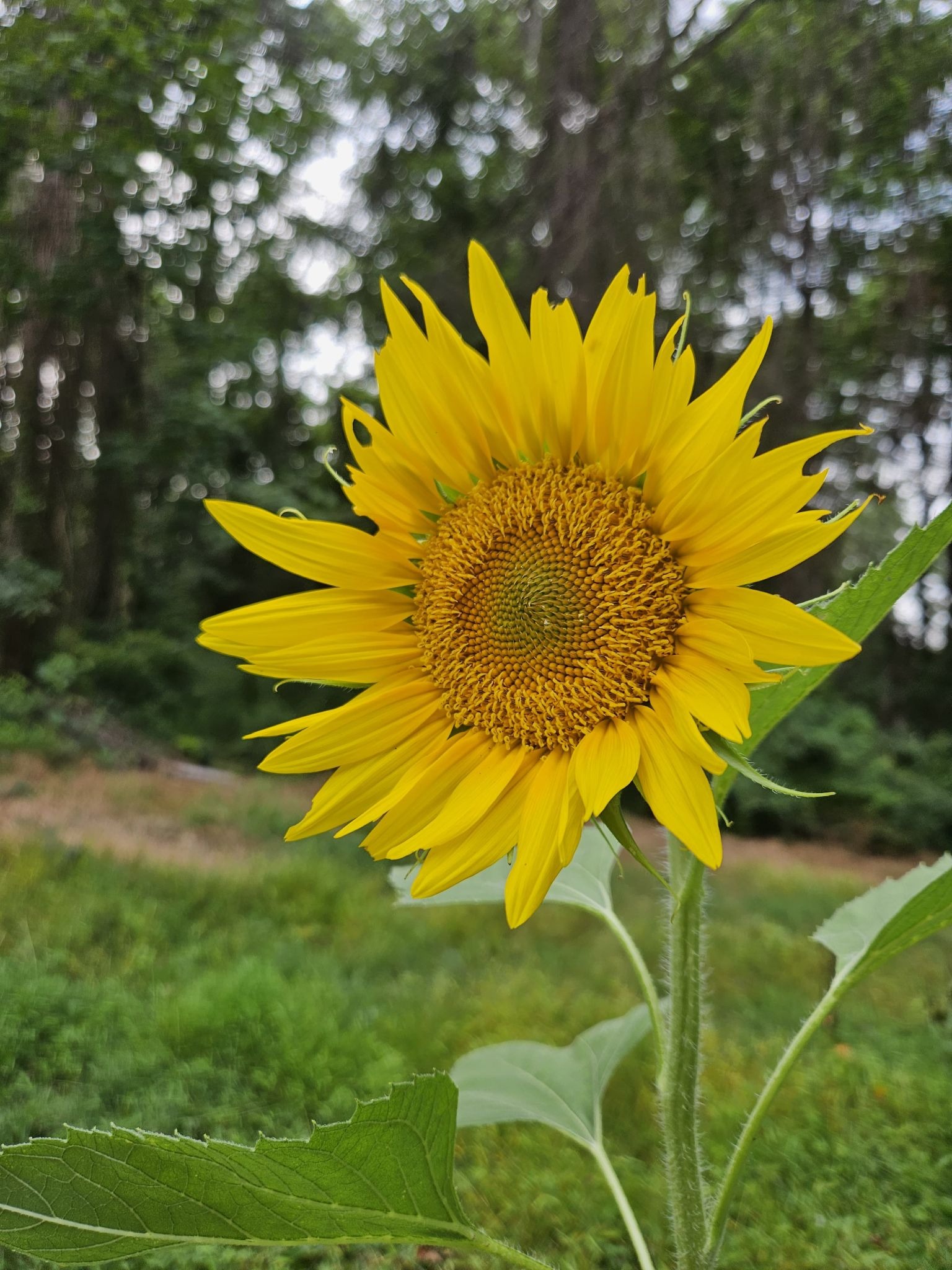
What predates corn in American agriculture? Sunflowers.
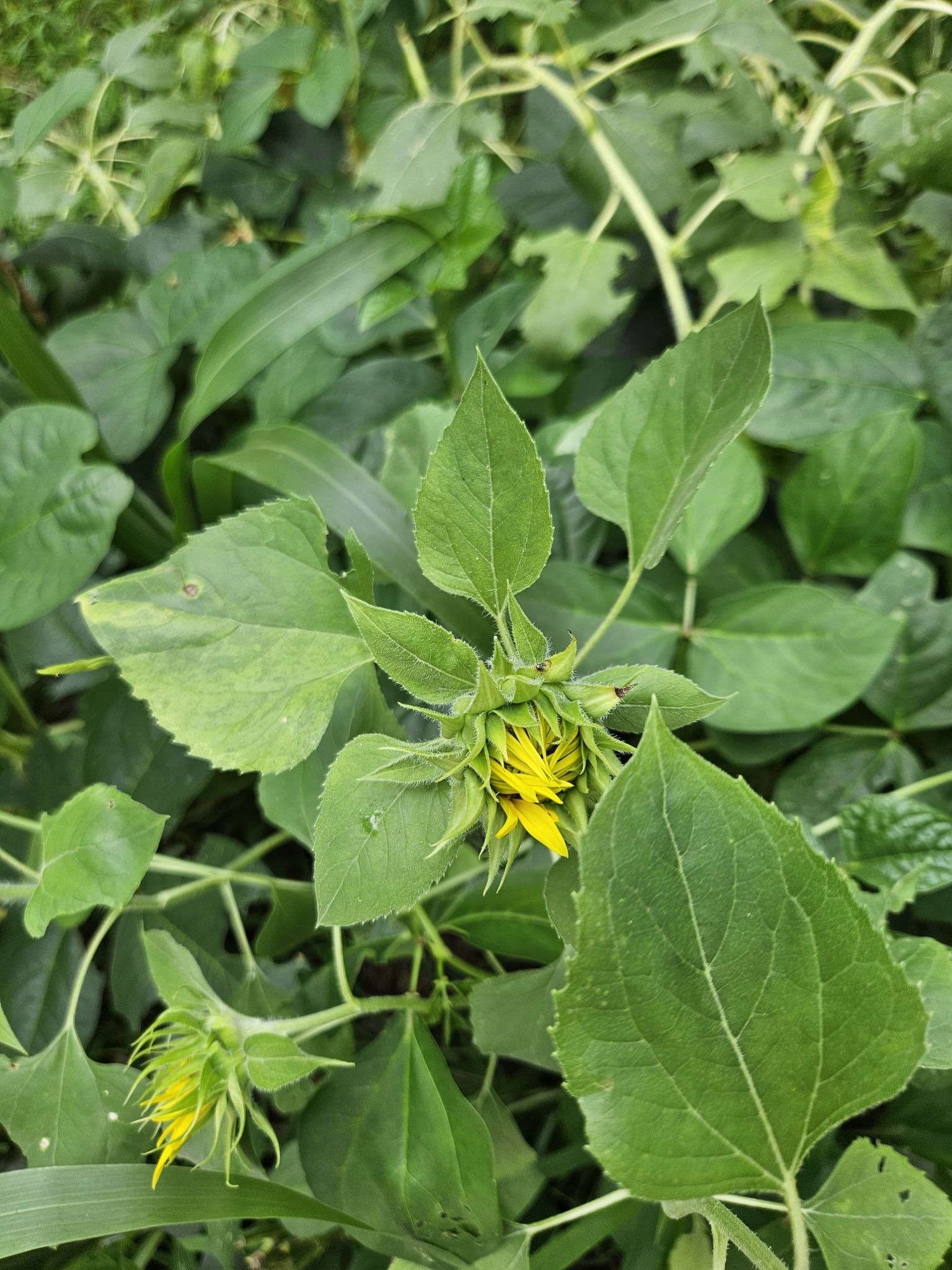
Can’t see the soil from above…
The plants are working together, shade keeps the weeds at bay!
*
Sorghum uses much less water than corn and is nutrient packed!
Blog post submitted by Kyle