
Red Fox Behavior and Den Activity in Early Spring

As winter fades and the landscape softens with the first signs of spring, red foxes (Vulpes vulpes) enter a crucial stage of their yearly cycle—raising their young. Early spring marks the peak of denning activity, with mated pairs focused on securing shelter, hunting tirelessly, and nurturing their newborn kits. This period is a fascinating time to observe fox behavior, as their secretive yet resourceful nature is on full display.
Mating and Den Selection
By the time early spring arrives, most red foxes have already completed their breeding season, which typically occurs between December and February. Gestation lasts around 50-53 days, meaning that by March and April, vixens (female foxes) are retreating to their dens to give birth.
Foxes don’t always dig fresh dens. Instead, they often repurpose old burrows left by other animals—such as groundhogs or badgers—expanding and modifying them for their needs. A good den site offers:
✔ Seclusion – Hidden among dense brush, in wooded areas, or along hillsides
✔ Multiple Exits – Providing escape routes if threatened
✔ Dry Ground – To prevent flooding and keep kits warm
Birth and Early Kit Development
A typical red fox litter ranges from 4 to 6 kits, though litters as large as 10 have been recorded. At birth, kits are blind, deaf, and covered in short, dark fur. The vixen stays in the den, nursing and keeping them warm, while the male (dog fox) takes on the role of provider, bringing back food for the family.
During these first few weeks, the den remains quiet and well-guarded. The vixen may only leave briefly, relying on the dog fox for sustenance. Kits begin to open their eyes around two weeks of age, and by three to four weeks, they start becoming more active within the den chamber.
Den Activity and Parental Roles
By mid to late spring, kits grow bolder and begin emerging from the den, exploring the immediate surroundings under the watchful eyes of their parents. This is when fox families are most visible, as:
🐾 Kits engage in playful wrestling, which helps develop hunting skills.
🐾 Parents, particularly the vixen, start bringing back live prey for training.
🐾 The den site becomes littered with food remains—rabbits, rodents, birds, and even scavenged scraps.
While the vixen continues to nurture the young, the male’s role shifts toward teaching survival skills, such as stalking and pouncing. Foxes may also move to secondary dens during this time, either for safety reasons or to avoid parasite buildup.
Signs of a Fox Den in Early Spring
If you’re looking for evidence of fox den activity, keep an eye out for:
🦊 Freshly dug earth around burrow entrances
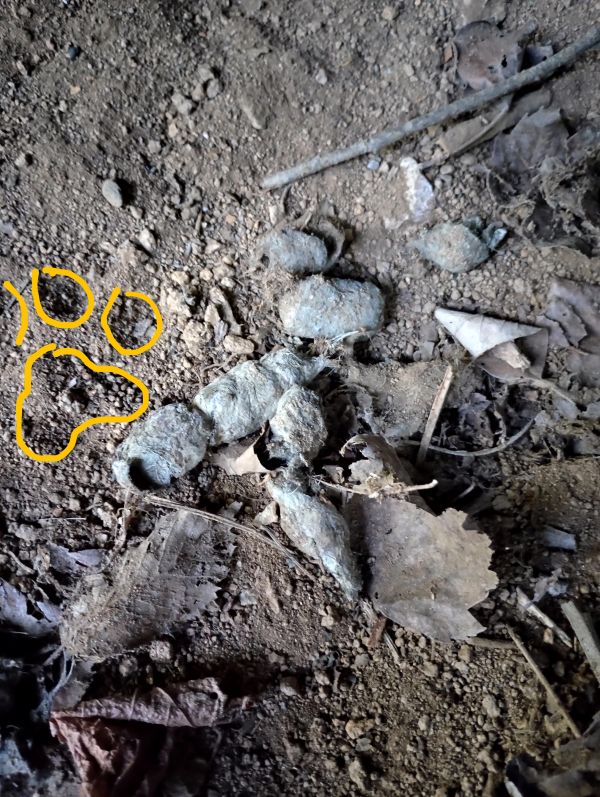
🦊 Tracks leading to and from the den
🦊 Scattered bones, feathers, or prey remains nearby
🦊 Playful, high-pitched yips or barks at dusk and dawn
The Transition to Independence
By late spring and early summer, kits become increasingly self-sufficient. Parents start leading them farther from the den, introducing them to new hunting grounds. By three to four months old, young foxes begin fending for themselves, though they may stay with their family until early fall before dispersing.
Observing Red Foxes Respectfully
If you come across a fox den in early spring, observe from a distance to avoid disturbing the family. Foxes are naturally wary of humans, and unnecessary interference could cause them to relocate. The best way to appreciate these animals is through patience and respect—allowing their wild instincts to unfold without disruption.
Spring is a magical time in the life of a red fox, filled with tender care, playful moments, and the first steps toward independence. As the season unfolds, their dens serve as a cradle of new life, a hidden world where survival skills are passed down, ensuring the next generation of foxes thrives.



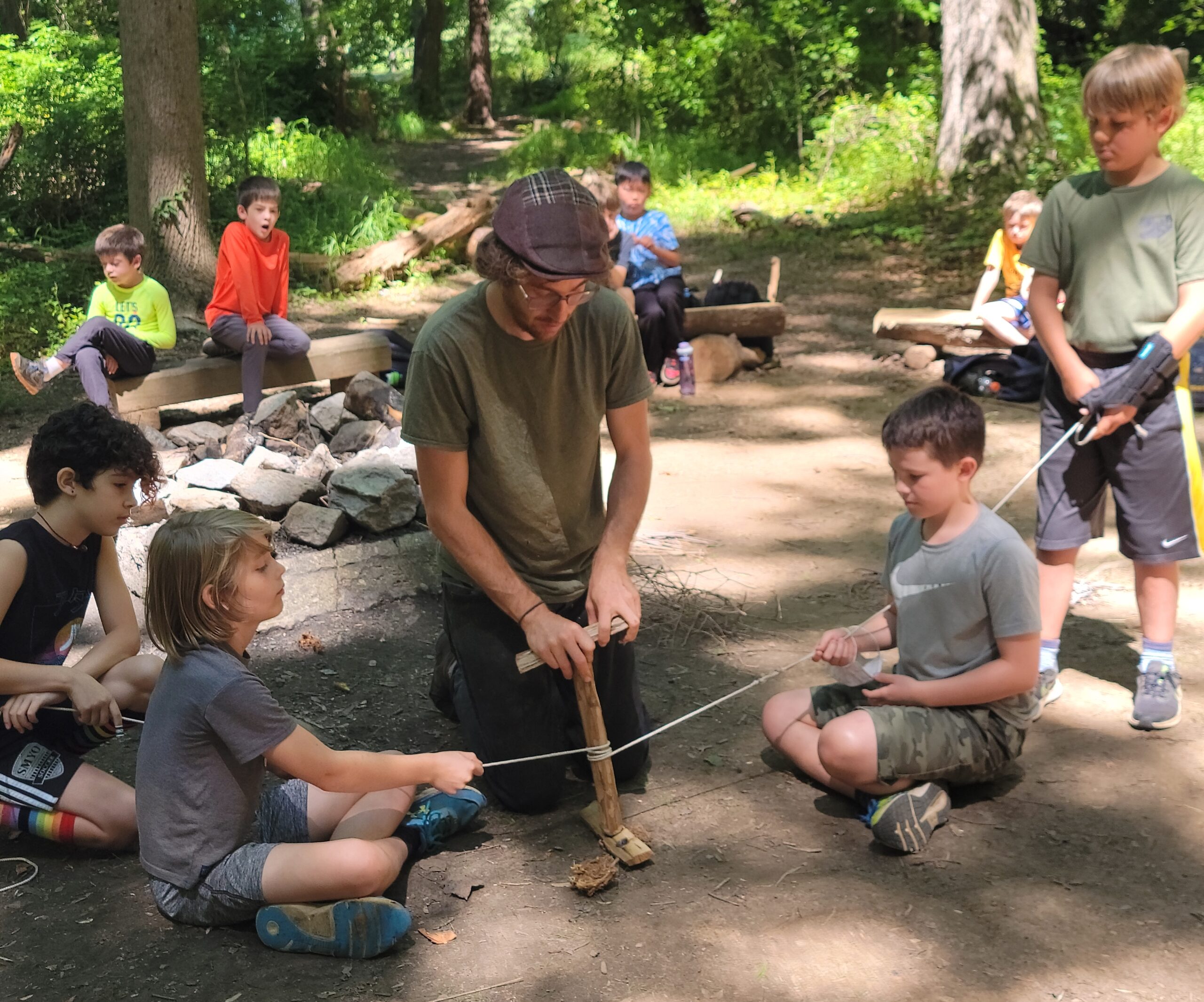
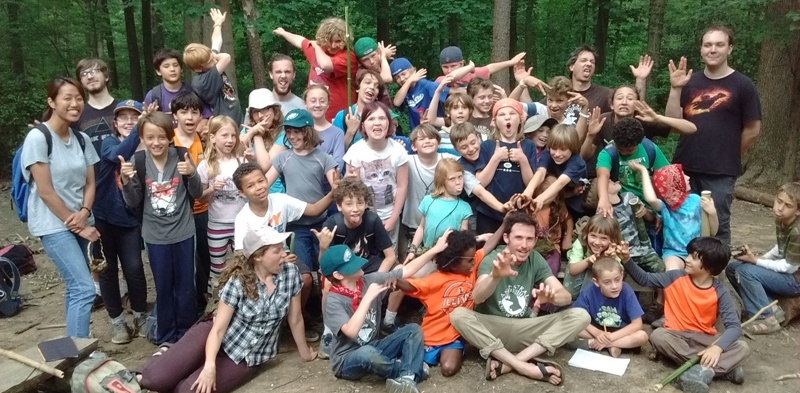
 Nature empowers females (Notice that we call her Mother Earth, not Father Earth.). Although there are certainly laws of nature that must be “obeyed,” we generally don’t think of the planet in paternalistic terms. It’s difficult to behold the abundance of life brimming forth from every nook and cranny of this bizarre space rock and not feel the power of the womb, and realize that the forces at play are the maternalistic ones of nurturing, caring, and giving.
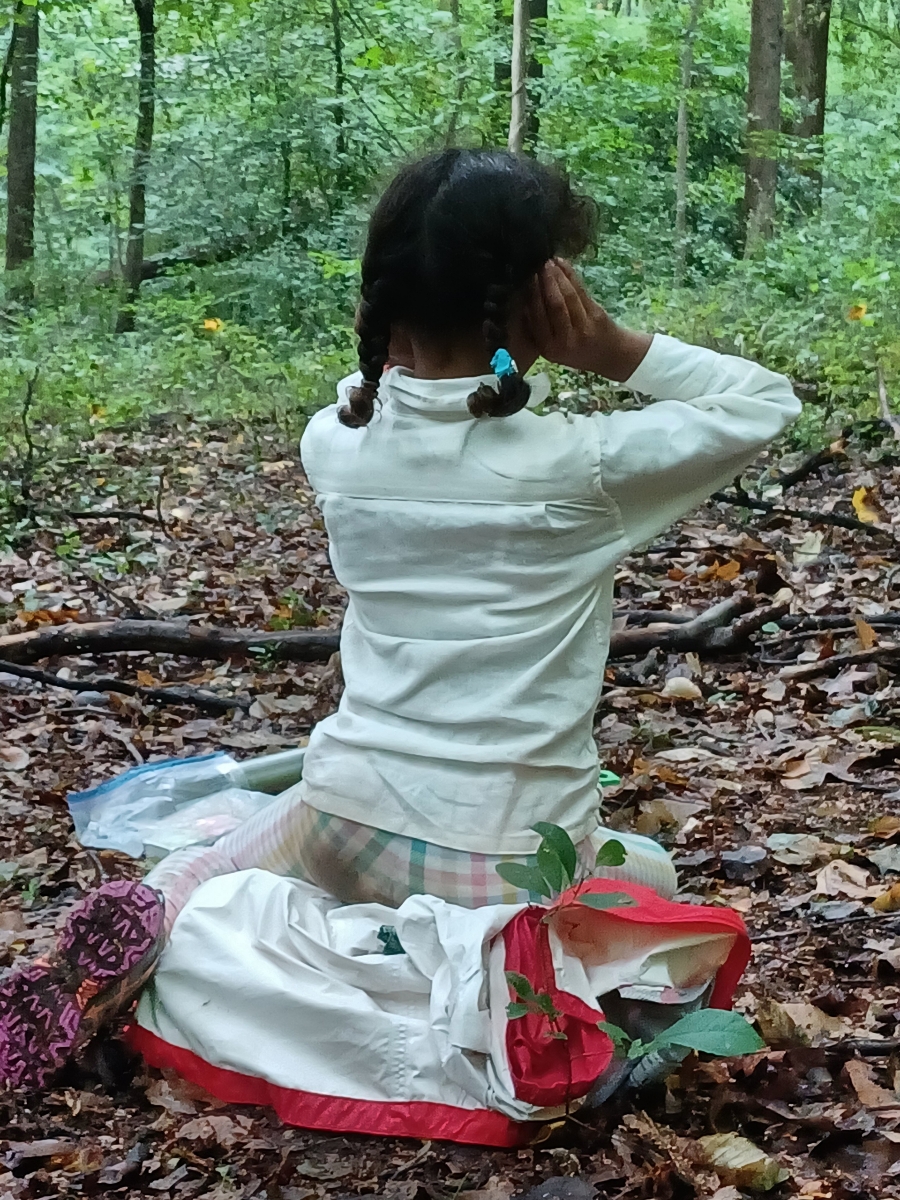
 “So proud of my daughter, Sophia. She started off the week not sure if she wanted to go to Ancestral Knowledge Wood Wise I Camp, anxious at first that she was the only girl until a few more girls showed up. She came home every day with a layer of dirt and a smile on her face. Today she was so proud that she had earned her bead for going out in the woods alone, sitting quietly for half an hour, and observing animals. I’m grateful to the young women who were her role models as counselors this week. Sophia seems stronger and more confident. Ancestral Knowledge Camp seems to be an effective counter to princess culture. (See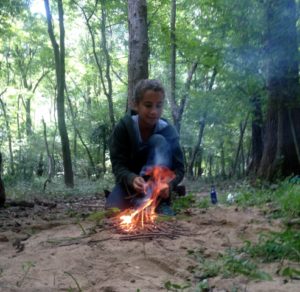
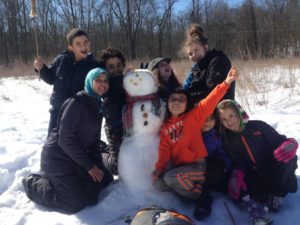 Teaching Kids to love the winter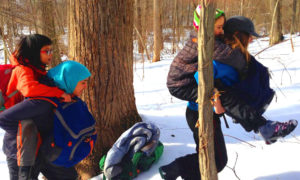
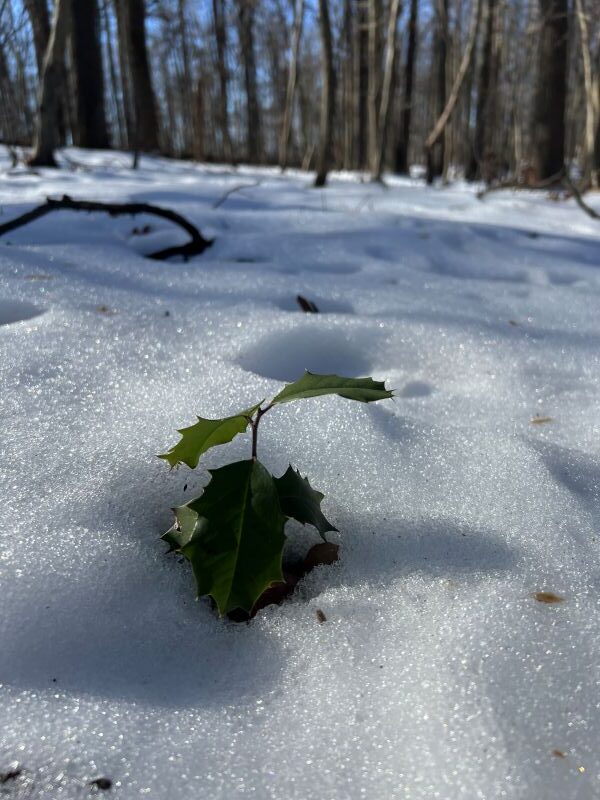
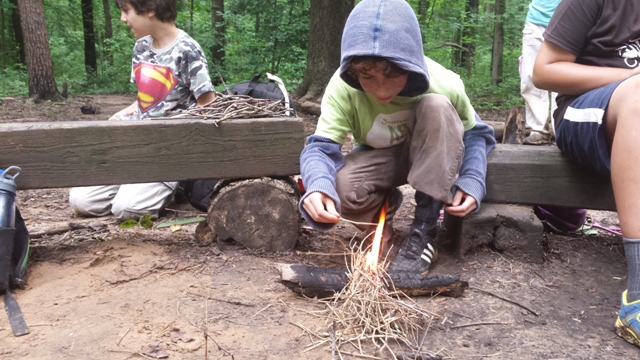
 We encourage everyone to get out and enjoy the outdoors during the winter time. However everyone responds to cold temperatures differently. Keeping feet, hands, and clothing dry is very important because toes and fingers are most susceptible to damage from the cold. Whenever possible carry an extra pair of socks in case your feet get wet and a couple plastic shopping bags to put over the dry socks to avoid the boots saturating the dry socks. Wet feet, hands, and clothing need to be addressed in a timely fashion because wet clothing will cause you to lose warmth. If you get wet its best to get indoors or change those layers. If that’s not possible build a fire to warm up and dry out those wet clothes. Being prepared and dressing properly will allow for hours of winter fun and exploration!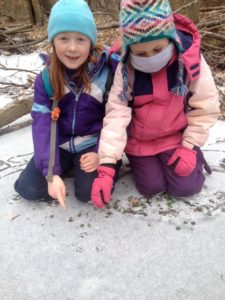
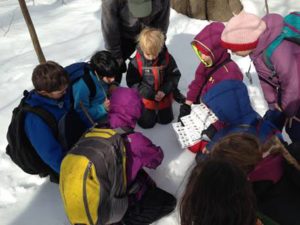 The Outer Layer (Outer winter coats and Snow pants) – The outer layer or shell should be waterproof, providing protection from wind, rain and snow. Waterproof shells typically have minimal insulation so they can be worn over the inner layers without being too balky . You’ll find outer shells in both jackets and pants, making them ideal for a number of cold-weather activities. Your winter coat should have a hood, be wind-resistant, water-repellent and breathable. Down jackets, filled with goose feathers, are excellent for warmth but need to be protected in wet weather with a rain jacket. Fleece-lined ski jackets are excellent also. One-piece snowsuits might be appropriate for kids who spend all day outdoors in the winter. Snowsuits are highly water-resistant and provide the maximum protection from the wet snow.
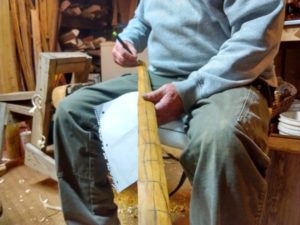 The bow making is underway. We are running at maximum capacity in both the Spirit of the Hunt Apprenticeship and the upcoming Self Bow Making workshop.