The Cycles of Life

“Everything the power of the world does is done in a circle. The sky is round and I have heard that the earth is round like a ball and so are all the stars. The wind, in its greatest power, whirls. Birds make their nests in circles, for theirs is the same religion as ours. The sun comes forth and goes down again in a circle. The moon does the same and both are round. Even the seasons form a great circle in their changing and always come back again to where they were.”-Black Elk, Oglala Lakota holy man.

If you asked me in summer 2021 where I would be in 2025, I wouldn’t have answered that I would be working for Ancestral Knowledge and living in a log cabin inside the Beltway. I was studying French and starting a Master’s degree in International Development and Public Administration, I would have thought I’d be managing a development program somewhere in francophone Africa. Part of my desire to work in that field was formed by my experiences traveling in Latin America and serving the Peace Corps and realizing that lack of development pushed people to destroy the natural environments in their communities. But the world moves in circles, and it has brought me to where I should be.
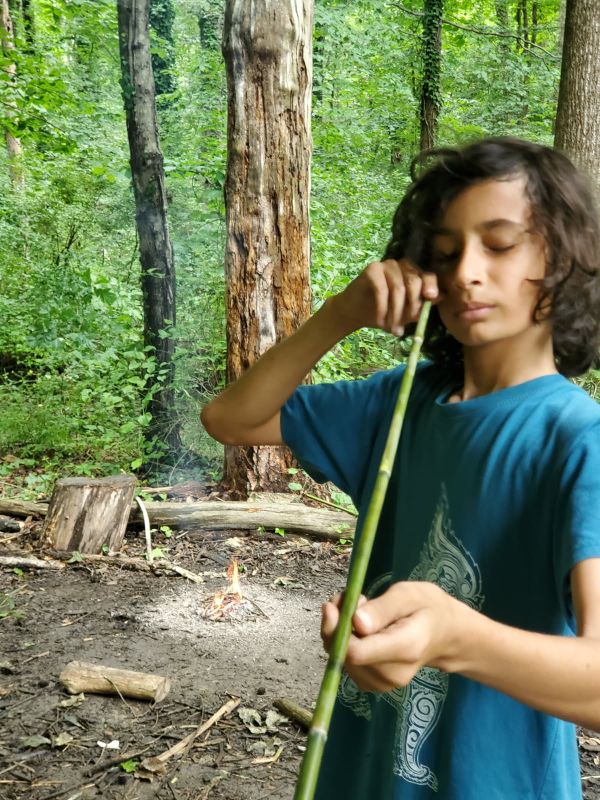
When I first recall meeting Bill I was about 18 years old. He had been teaching at Tom Brown Jr.’s Tracker School, and had worked some at the Coyote Tracks program, which at the time was the branch of the Tracker school working with youth. I had been a student at Coyote Tracks and Bill had been one of the teacher’s at my Standard class at the Tracker School the following year. Since then we had stayed in loose contact; if I was in the area working on earth skills I might reach out to him, he might like and comment on a facebook post. Two years ago when I was wrapping up my graduate school program I had to move back to DC for work. I reached out to Bill saying if he ever needed help or volunteers for anything to let me know, I would be happy to help out and give back.

This winter, I had looked at the state of the world and I had given up on finding a position working in international development and was really wondering what was going to be my next step. That is when Bill reached out to me asking if I would possibly be interested in coming and helping out by being an instructor and managing some of the summer camp programs as well as helping out with programs through the rest of the year. 
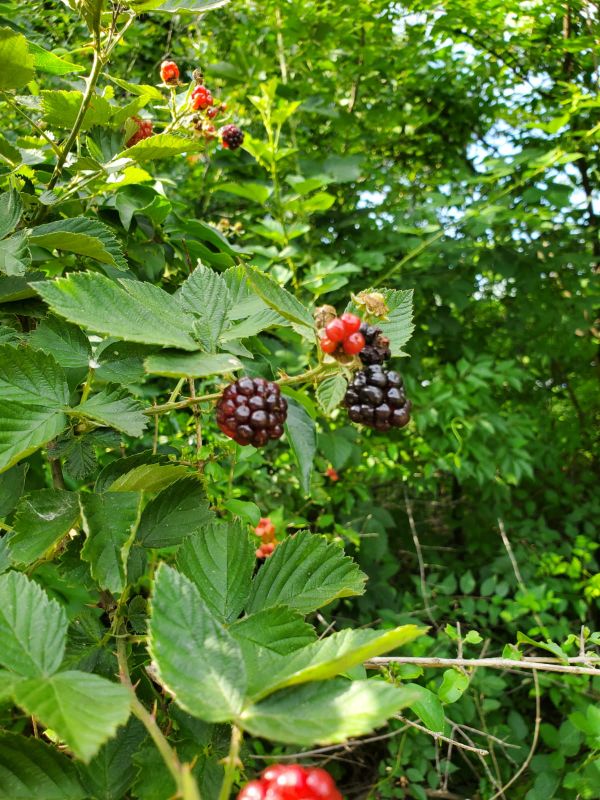
I will admit some of my skills are rusty, bow drill has been kicking my butt, but other skills I didn’t realize how much sharper they have become over the years. I am finding by letting myself complete the circle, and be in the position to help mentor kids in connecting to the natural world that is in their backyard, I am realizing how much the earth has given to me.  I am realizing the lessons from our ancestors have been passed to me and I am now in the position to pass them onto the next generation. Some of these skills may translate to our modern work world, learning to deal with the discomfort of being in the woods on cold wet mornings while maintaining awareness while in a sit spot have made being able to pay attention during meetings or classes easier. Fostering curiosity by solving the riddles nature left all around me fostered my intellectual curiosity for school, languages and other cultures. Learning perseverance and determination of getting fire by friction in the rain carried through to completing work and handling tight deadlines at school and in jobs. Gaining confidence by mastering skills carries over to other aspects of life.
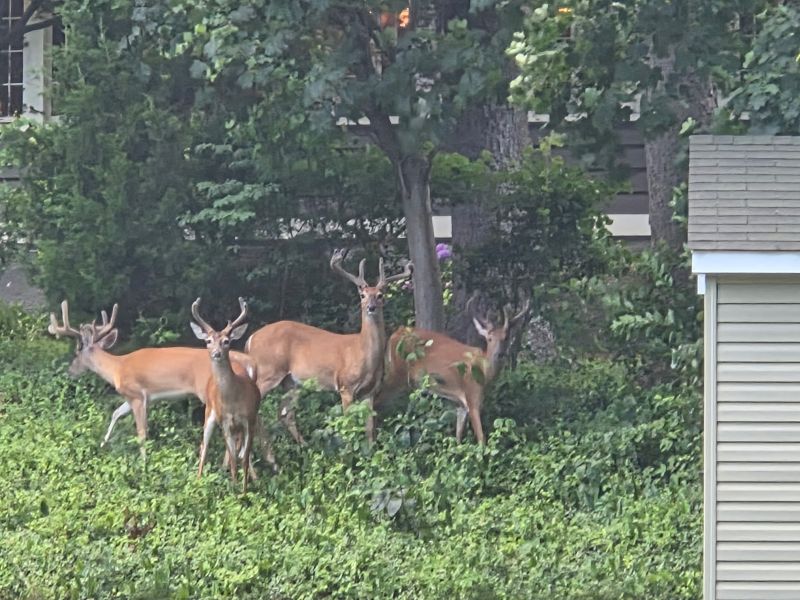
But not everything I have learned from these ancient skills needs to apply to work or school, some of it helps enrich and color in everyday life while deepening my relationship with the natural world. I recall one day on the shore in Cannon Beach Oregon, my awareness of bird calls caused me to look up just in time to watch an eagle swoop into a seabird rookery, no one else on the beach even noticed. During a college course field trip to Belize, I woke up one morning and saw the tracks of a young female jaguar who had walked by in the dead of night just yards from my door, it made the jungle intimate and even more alive.
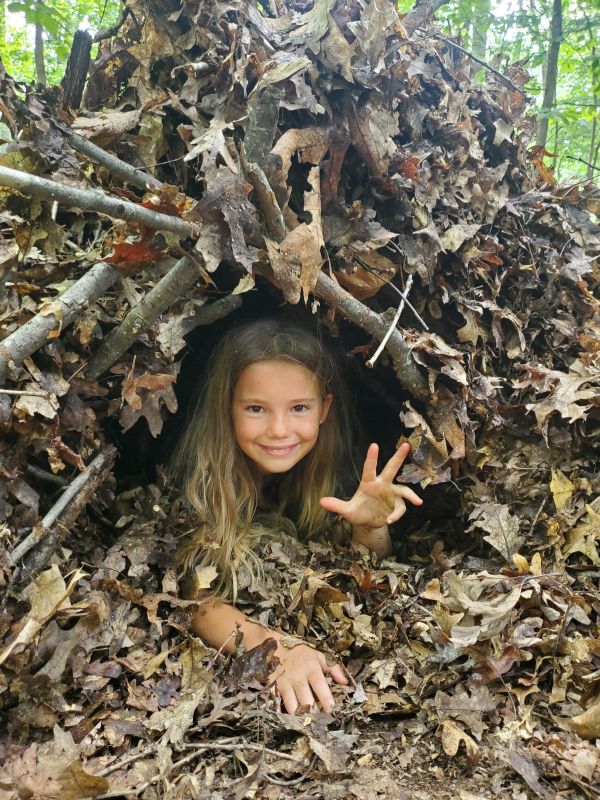
If your kids are attending programs this summer, I look forward to passing along things I have learned and helping open their eyes to the world outside their doors. I hope in some ways it helps them appreciate and want to help protect our natural world from the constant onslaught of civilization, but also allows the natural world to become a wellspring of life lessons and a source of vibrant color in their lives. If you are attending a class with us sometime this year, I look forward to possibly meeting you and helping you on your journey. If you have skills to share I encourage you to get involved and help pass along the knowledge and wisdom you have. By completing the circle from student to teacher, you will find even more in the lessons you have learned and in your experiences than you realized were there.

Post Submitted by Kyle Dexheimer

What do we miss when we only see part of a story?

In the built world, things are designed to be efficient, immediate, and visible only at the point of use. You flip a switch and get light. You open a package and get food. Systems are hidden behind walls or outsourced entirely. There’s little invitation to notice process—or pattern.

But in nature, pattern is the story.

Everything living is part of a cycle. Growth and decay. Movement and rest. Heat and cold. Nothing exists without its opposite. These aren’t abstractions—they’re practical realities that shape how life functions.

A rotting log feeds fungus, beetles, and soil. The fallen branch that blocks a deer trail may offer cover to a rabbit. A predator’s movement can be read in the sudden stillness of other creatures. The richness of spring depends on the dormancy of winter. In wild systems, nothing stands alone.

This is duality—not conflict, but interdependence. Each condition is shaped by its counterpart.

By contrast, in the human-built world, we often only experience one half of the cycle. We enjoy the fruit, but don’t see the years of root growth. We access warmth without storing wood or tending fire. Food is harvested, cleaned, transported, and presented with all other evidence removed. When only the final product is visible, we lose sight of what created it—and what it will become.

This makes it hard to think in systems. And it makes it even harder to adapt when systems change.

Systems thinking is the ability to recognize relationships over time. Instead of asking “What is this?” we begin to ask, “What is this connected to?” and “What shaped this?”

This way of thinking isn’t built by speed or isolation—it’s shaped by observing slow change, feedback loops, and interdependence. And it’s one of the most important perceptual skills we can build.

In a forest, systems thinking becomes natural. You start to notice that soil texture shapes water flow, which influences plant growth, which shapes the density and diversity of insect life, drawing in some birds while deterring others, depending on the conditions. That a shift in canopy structure after a storm changes light levels, which leads to a flush of different understory species. That a well-worn trail through the understory becomes a corridor for smaller animals, whose presence eventually draws in predators from above and below.

Over time, these relationships begin to surface as memory.

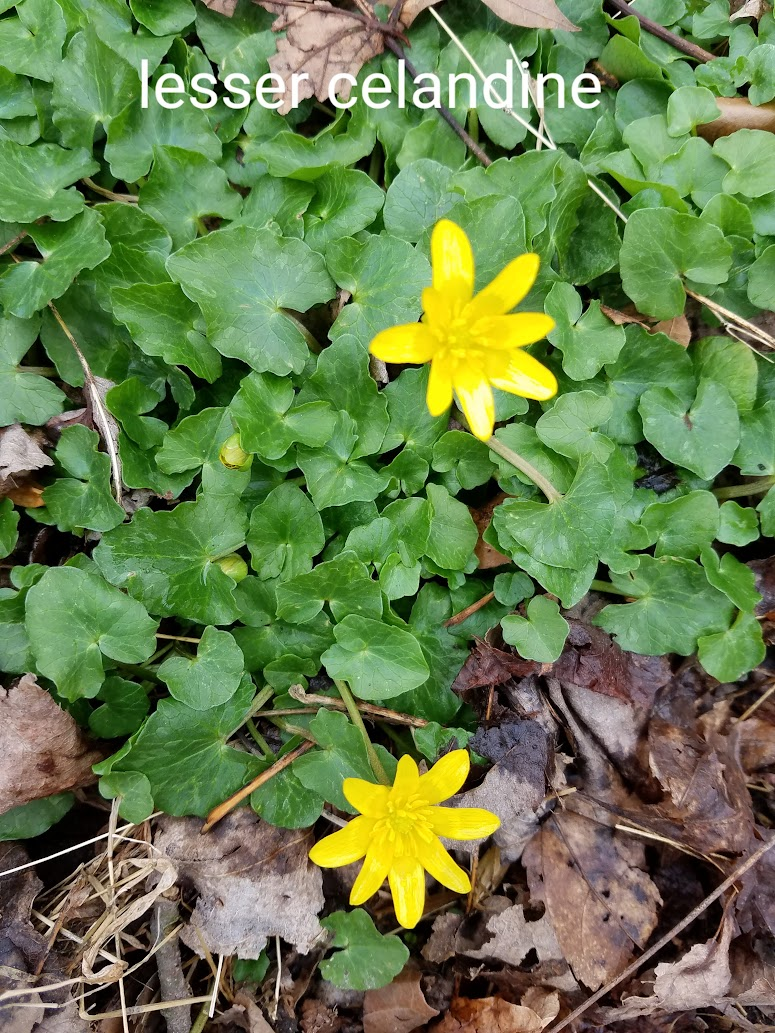
I’ve worked in the same patch of woods for nearly a decade. In that time, I’ve watched entire plant successions unfold in ways you wouldn’t notice unless you returned again and again to the same spot. For years, lesser celandine carpeted the stream banks each spring, spreading across the saturated low ground as one of the first green-ups. But in recent seasons, Japanese hops have begun to appear—an invasive climber now overtaking the celandine in areas where scouring water or seasonal disturbance exposed fresh bank soil.

It’s not random. It’s pattern. New disturbance opened a niche, and a different plant moved in. And that shift will in turn affect insect populations, ground cover dynamics, and even how the bank holds in the next big rain. Nothing changes alone.

Tracking offers one of the clearest ways to train this type of perception.

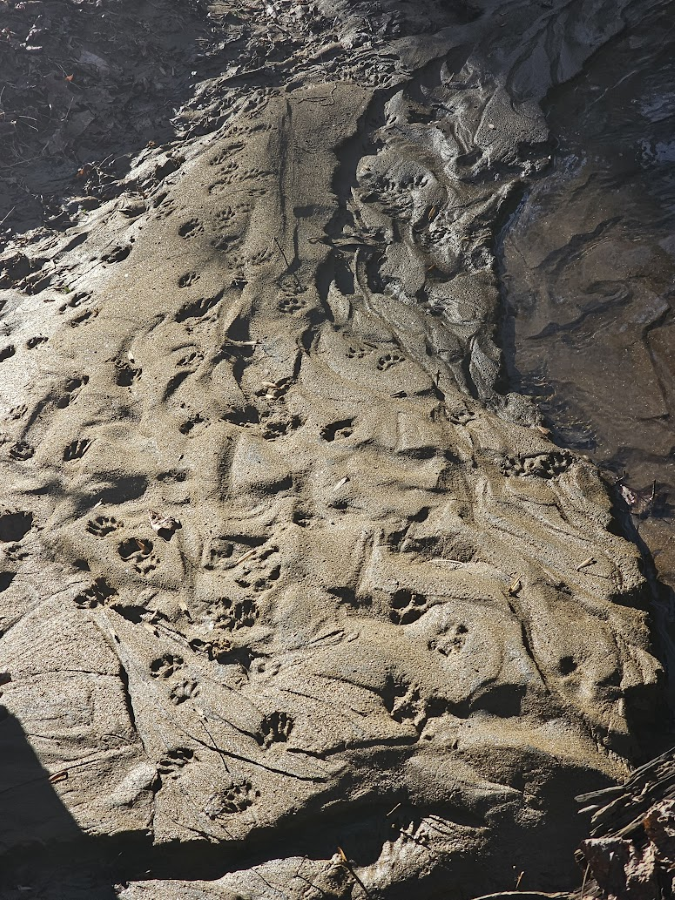
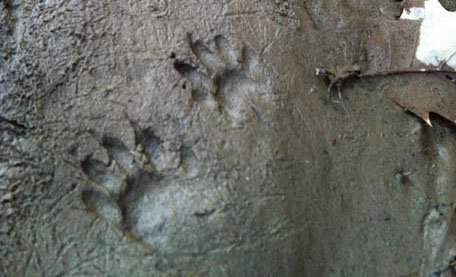
It starts simply: a single print in soft earth. But quickly, it becomes more layered. You begin to notice the direction of travel, the spacing between steps, the depth of pressure and how it shifts. A wide stance, a staggered stride—these suggest something about speed, awareness, decision-making.

With time, you stop looking just at the track and start looking at the surrounding story. What vegetation was brushed or bent? Did the trail cross elevation, edge habitat, or a water source? Where did the movement pause, change gait, or disappear into heavier cover? What changed in the land after the animal passed?

The more you follow, the more the trail teaches. You learn to hold multiple possibilities at once. You learn to recognize when you’ve lost the trail—and how to recover it. You start to feel the rhythm of motion across landscape, and how much is communicated through absence as well as presence.

Tracking isn’t a test of identification—it’s a practice of relationship. It forces you to widen your lens, to notice indirect sign, to keep circling back. It teaches humility. And it steadily builds the kind of perception that can read systems in motion, not just isolated events.

If you’d like to begin, find a patch of ground that holds subtle detail—wet sand, light snow, leaf duff after rain. Look for any sign of movement: a partial track, a compressed leaf, a spot where something brushed through. Rather than jumping to answers, stay with the question. Where did it come from? Why did it go that way? What terrain was chosen—and what was avoided? What changed along the path?

Let yourself slow to its rhythm.

Duality is everywhere—stillness and movement, imprint and lift-off, growth and return. Systems thinking means noticing both, and the pattern that forms between them. And that kind of perception can’t be rushed. But it can be trained.

Blog Post Submitted by Eden Cornelous – Lead Field Instructor

Awareness, and Returning to Baseline

What does the word awareness bring to mind for most people?

Maybe…Time management skills, a good sense of social etiquette, quick reaction time while driving?

The demands of our busy lives may give us a different idea of the “aware” human, but try to think of instinct, on more animal terms. In the forest we have a chance to practice these skills away from the disruptions of other humans, the busy modern world, and to carry them out into the world we live in. Listening to the subtle cues in the language of the forest and creatures can help restore our sensitivity, perception, and provide us with a sense of peace and clarity.

How do most humans move through the city?

We tend to look straight ahead, our vision fixed on our destination, walking with firm heavy quick steps in sensation wearing shoes that separate us from our step and the earths surface.

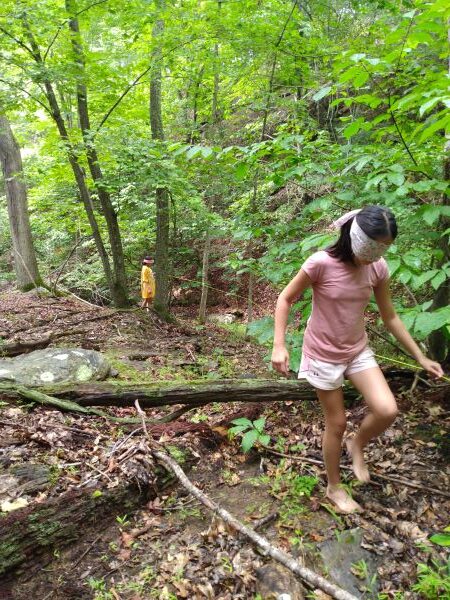
When moving through nature, we can learn how to move with intent, placing our foot in a way that minimizes sound when we walk, feeling every obstacle before we have a chance to break it, “fox walking” through the woods. This is done best barefoot, or in thin soled shoes/moccasins but can be achieved in almost any footwear. If you’d like to try, start barefoot. Walk with relaxed, slightly bent knees. Placing the outside ball of your foot upon the earth first, and roll towards the center then allow your heal to touch last before committing your full weight to the step. This allows you to adjust your movement if you feel something like a rock or stick that could snap. Some find a kind of walking meditation in this exercise, and with continued use, it may start to come naturally to you. There is more intention in this way of walking, you may find that it forces you to observe the present rather than dwell in your thoughts.

Where do we tend to focus our gaze when navigating the city?

Most people tend to look straight ahead, as previously stated. They may miss things above or below them. People who have a sense of hyperawareness may use a form of wide angle vision already, watching others from the corner of their eye, when their guard is high.  We can learn to open our vision, widening the boundaries of our sight, until we can watch all that is moving around us, versus one fixed point.

An exercise in “Wide Angle Vision”, or “Owl Eyes”:

Stand with your arms a bit wider than your body. Wiggle your fingers and stare straight ahead. Slowly bring your hands out as far as you can, until the motion of your fingers is on the very edge of your range of vision. Keep looking straight ahead while watching this motion. This can make it easier to slip into Wide Angle Vision, with practice.

How do we listen, vs the animals we observe?

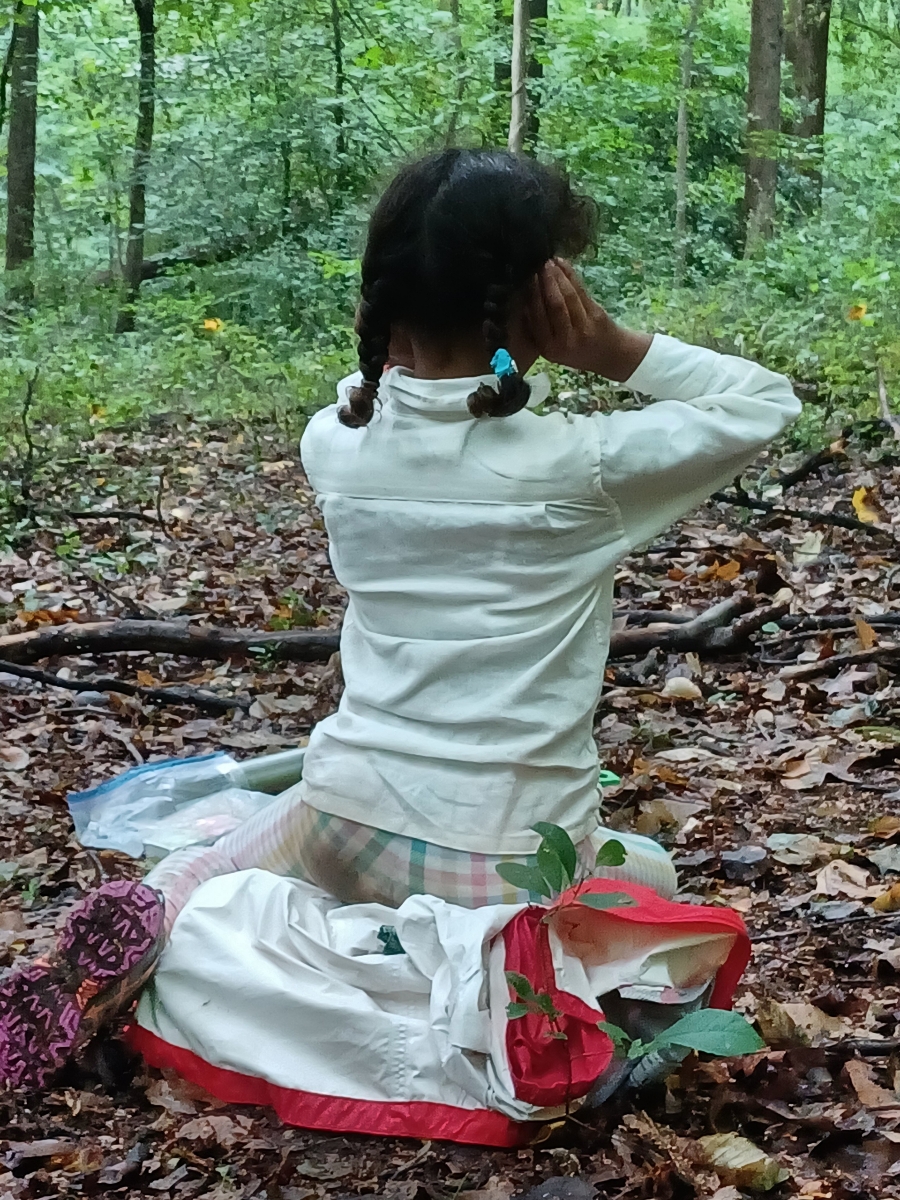
Our ear dish is rather small, compared to a deer or a dog. You’ve probably seen these animals swivel their ears in order to pinpoint a sound. We can mimic this larger, more effective ear dish, with our hands. We can also create a more pinpointed sound, by swiveling our cupped hands, or turning them around, to listen behind us. We can open our ears to more, creating the dish with our hands for the sound to bounce off of, angling forward and back, as the deer do.

Think of the forest as a watery surface, each disruption you cause, through sound or movement, sends out a ripple that we call a concentric ring. This concentric ring consists of alarm calls from birds and squirrels, and warnings from fleeing creatures, warning of your presence, traveling through the area. When the ripples you cause have calmed, the forest has returned to “baseline”. These concentric rings create anywhere from a 20 minute to a 40 minute disruption in the baseline. We use Sit Spot as a tool to increase our awareness and practice this return to stillness. As we learn to walk silently, to listen and to see, we can sit in this quiet state for hours. We start to see things as they are, no longer only experiencing human disruption.

If you find the time, take a pause this week. Sit beneath a tree, open your deer ears, and experience the world as it is not as we perceive it.

Post Submitted by Eden Cornelius– Lead Field Instructor

Wild About Willows!

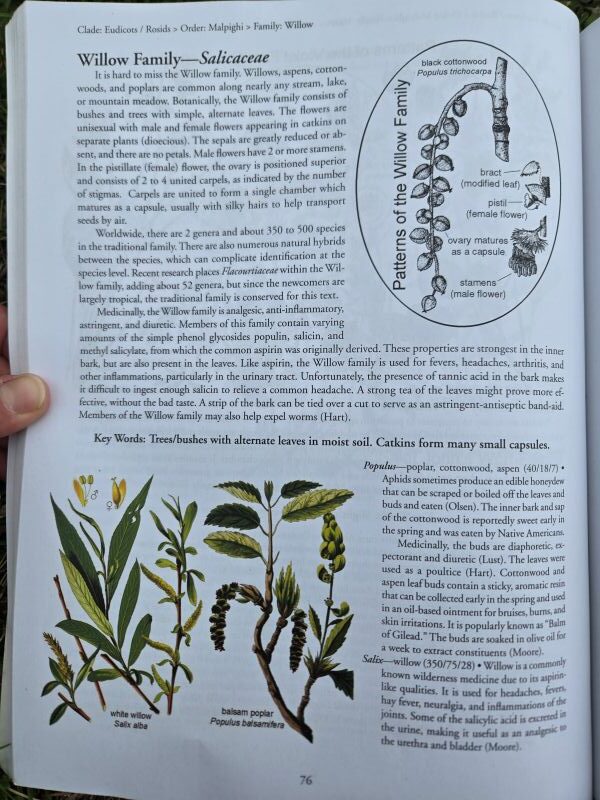
Willow is a large family of plants known as the Salicaceae family, that includes over 1,200 species worldwide. Many members of the Salicaceae family, which are mostly trees and shrubs, have deep ethnobotanical significance. These plants have been valued, utilized, and intentionally managed by humans since the dawn of recorded history. We can find countless examples of willow featured in the most ancient texts and appearing in folklore and religion frequently. Willows are appreciated for their medicine, strength and flexibility, association with water, and are often used as a symbols for life, death, and rebirth.

This is why we are so excited to be planting a variety of willow species that are favored for basketry and other traditional skills on the land of our organization’s new headquarters. These baby willows were started from cuttings last fall (willows are easily progagated this way) and gifted to Ancestral Knowledge this spring. They are now helping with the revegetation and regeneration of some previously cleared forest land here, in an area that tends to hold water since being compacted by large machinery. 

As we start down another branch of our path, in this season of rebirth, we are grateful for the opportunity to tend this old forest, for soil, water, and all the flora and fauna this land supports. When these young willows are old enough to be cut, we will coppice them in an honorable harvest, so that they may continue to regrow even more abundantly, and so we may keep sharing the skills and lessons they offer. Harvested material will be used for classes and workshops, as well as propagation of even more willows for planting.

*Picture above is the page on Willow family identification and characteristics, from Thomas J Elpel’s guidebook, “Botany in a Day, The Patterns Method of Plant Identification” 

Post Submitted by Julie Biedrzycki – President of the AK Board of Directors

The Tree of Knowledge Never Ceases to Grow.

I was on my way to go work on the Ancestral Knowledge office/museum and along the way decided to stop at the national arboretum to spend a few hours walking around, for no other reason than to get out of my head and briefly enjoy the wonderful day.  If you haven’t been to an arboretum, they are great places to find and identify natural resources and the national arboretum is special in that it hosts plants that aren’t found in the region, for instance long leaf pine needles.  It is also a great place to learn how to identify, learn, and journal all sorts of trees and plants that grow all around the world and you can take note of the similarities of those that are native to our region and their similar uses.

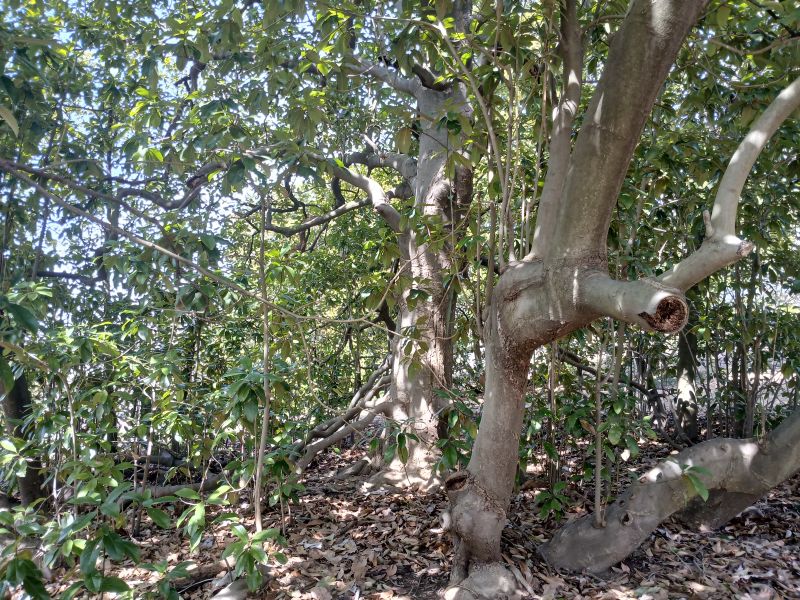
As I was walking around, I noticed this Magnolia growing along the road side.  It was about 15’ tall and an interesting characteristic grabbed my attention, it had one single low growing branch that was extending about 15 feet from the trunk, seemingly hovering 12” above the ground.  This branch made me peruse my memory banks about all the Magnolias I have ever met and I can’t recall any having a branch like this one. 

 As I walked away thinking about that single branch, I looked back and took note that it was pointing directly south, this got the gears in my mind turning and thinking about aidless navigation and the 8 directions.  It was at that moment when I noticed another Magnolia tree a couple hundred yards away, up on a hillside.  It was MASSIVE, as wide as it was tall.  I was awestruck by its distant profile, drawn to it like a moth to the moon, it was calling for a visit.

The sun was bright and warming the left side of my back and the tree was getting bigger and bigger with every step as I slowly approached this incredibly massive being. On my slow approach I began to orbit its circumference, taking in its size and presence as a whole.  As I approached even closer, I started to think about that long branch from a minute ago.  My thoughts were along the lines of, “HOLY SHIT, these branches must be 50 feet long… “

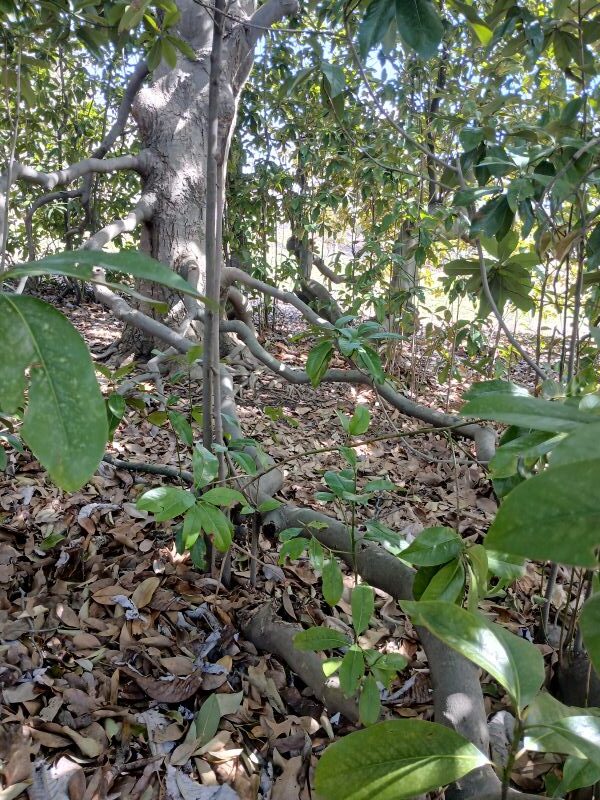
Soon I was very close and I could begin to see into its ground level canopy. It was dark and dappled with bright light that broke through, the contrasts were blinding.  As my eyes adjusted on my approach, I was able to see deeper into its umbrella and began to notice it was surrounded by dozens if not hundreds of other smaller Magnolias, not the long hovering lateral system of branches that I had imagined.  The smaller magnolias ranged from 2’ to 16” diameters.

I entered its canopy and as I was visiting the surrounding trees, to my surprise, I found that each one was actually a sprout from the central tree’s branches. The tree was cloning itself! Spreading across the land, more so toward the south.  As the branches extended from the main trunk, they touched the ground and disappeared under the leaf litter, then several feet away from that was the outer ring of newer trees.  I can’t explain all my thoughts about what I was observing, as this would turn into a short book about magnolias and the philosophy of life and primitive skills.  I noticed that the trees that surrounded the mother tree were well established, the larger ones being 10 times the diameter of its original branch connection with smaller shoots along the way. The main branches looked like umbilical cords that were slowly disconnecting from the main tree.

As I was hanging out, I felt like I became invisible to all the dozens of people that were walking by. In the 20 minutes I spent under that tree, nobody attempted to enter this amazing space under its canopy, not even any of the many young kids that passed by.

The experience I was having opened the floodgates of thoughts and self-doubts; What the hell was I doing with my life? Why did I take on this project trying to create an office/museum for Ancestral Knowledge and sacrifice my free time to do so? Why am I stressing out trying employ others and provide opportunity for their growth? Why am I trying to convince myself that everyone teaching in this “back to the earth” movement is here with the same purpose as I am? Am i the only one around here that is not status or money driven by something trendy & cool? Why do I continue to try to navigate the judgment, drama, division, and gossip found entrenched in the “earth skills” movement in the search for community? Then, the most important thought, why have I been trying to convince myself that everyone in this movement is here for the same reason, to protect and provide for the next 7 generations?

Then the negative thinking was overcome by thankfulness, my thoughts wandered back to all my mentors and teachers that shaped my reality; Tom Brown Jr, Charles Worsham, Errett Callahan, Jon Young, Ed Wentzler, Joe Lau, Eddie Starnater. I began to think about how honorable, incredibly humble, and generous they were in their teaching. They always gave credit to their teachers and always acknowledged the origin of the skills they taught and they claimed no ownership of them. Also, they didn’t see themselves as important or as leaders, only as messengers or sign posts. They were gentle in their approach and generous with their knowledge. They didn’t believe they were any more special than me, they listened to what I had to say, they treated me as an equal, recognizing that I was in a different stage of development, somewhere they had once been themselves. I also realized that they held back the deeper more profound lessons until I broke through their defenses with my passion to learn.  They had walls that were built by those seeking wisdom and knowledge that didn’t appreciate them or tried to discredit them.  I began to realize this amazing tree was showing me a road map of lineage and how ancient wisdom and knowledge is passed on, even in this modern world.

This experience validated my purpose and where I fit into the overall mission, and where I was along my journey toward the world of the unseen and eternal.  This tree brought forth a powerful memory from a very important year of my life; I was having breakfast one morning during the second year of the Coyote Tracks summer camps, sitting across the table from me was Tom. While we were eating, I noticed that Tom stopped eating and was staring past me with a mystical, wide-angle gaze with his piercing deep blue eyes and he said, “Bill, look around, do you see all of this? This is all because of one person, this is all possible because of one person, this wouldn’t be happening if it wasn’t for one person, it only takes one person to change everything”  I always thought he was just referring to his mentor, a Lipan Apache named Stalking Wolf but i realized, he was talking about someone who hasn’t yet been brought back to the Earth and how they could be responsible for tipping the balance. It took me years to understand what he meant, and this tree took his statement to a whole other level.

This Magnolia revealed to me, where that breakfast conversation has led me and so many others, the expansive sharing of Grandfather’s teachings, the road map for humans path back to a deep connection with the Earth.  It showed me how we learn from our mentors, form these powerful bonds, how at first we need them constantly in our lives, but over time distance gets between us, we become grounded, set our own roots and begin to grow on our own, and all along the way learning more as we teach and teaching more as we learn. We then eventually slowly disconnect from our mentors in the physical. It showed me that one day our mentors will be gone, no longer in the physical world but the teachings will live on, always connected in an unseen and eternal way and the lineage will continue beyond us.

It never ceases to amaze me that no matter where you are in this world, when you let go of your ego and enter nature as an open book, we are led to the lessons and experiences that we need to guide us along our path.

It gives me great comfort knowing that, in this time of uncertainty, one thing remains pure, real, and powerful… our connection to each other and our connection to the Earth.

Post submitted by Bill Kaczor, co-founder and executive director of Ancestral Knowledge

Spring Time Fox Activity

Red Fox Behavior and Den Activity in Early Spring

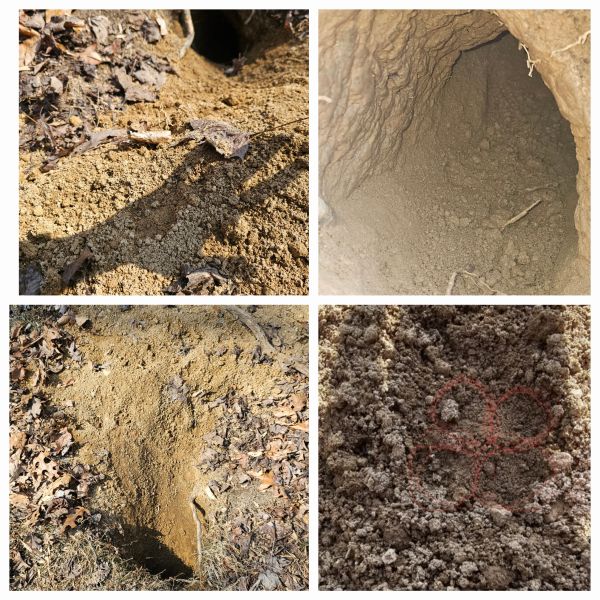
As winter fades and the landscape softens with the first signs of spring, red foxes (Vulpes vulpes) enter a crucial stage of their yearly cycle—raising their young. Early spring marks the peak of denning activity, with mated pairs focused on securing shelter, hunting tirelessly, and nurturing their newborn kits. This period is a fascinating time to observe fox behavior, as their secretive yet resourceful nature is on full display.

Mating and Den Selection

By the time early spring arrives, most red foxes have already completed their breeding season, which typically occurs between December and February. Gestation lasts around 50-53 days, meaning that by March and April, vixens (female foxes) are retreating to their dens to give birth.

Foxes don’t always dig fresh dens. Instead, they often repurpose old burrows left by other animals—such as groundhogs or badgers—expanding and modifying them for their needs. A good den site offers:
Seclusion – Hidden among dense brush, in wooded areas, or along hillsides
Multiple Exits – Providing escape routes if threatened
Dry Ground – To prevent flooding and keep kits warm

Birth and Early Kit Development

A typical red fox litter ranges from 4 to 6 kits, though litters as large as 10 have been recorded. At birth, kits are blind, deaf, and covered in short, dark fur. The vixen stays in the den, nursing and keeping them warm, while the male (dog fox) takes on the role of provider, bringing back food for the family.

During these first few weeks, the den remains quiet and well-guarded. The vixen may only leave briefly, relying on the dog fox for sustenance. Kits begin to open their eyes around two weeks of age, and by three to four weeks, they start becoming more active within the den chamber.

Den Activity and Parental Roles

By mid to late spring, kits grow bolder and begin emerging from the den, exploring the immediate surroundings under the watchful eyes of their parents. This is when fox families are most visible, as:
🐾 Kits engage in playful wrestling, which helps develop hunting skills.
🐾 Parents, particularly the vixen, start bringing back live prey for training.
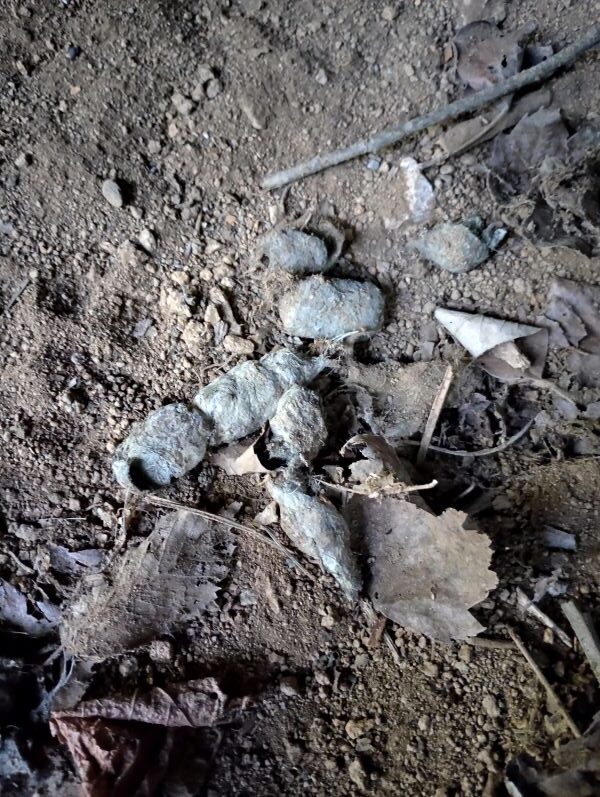
🐾 The den site becomes littered with food remains—rabbits, rodents, birds, and even scavenged scraps.

While the vixen continues to nurture the young, the male’s role shifts toward teaching survival skills, such as stalking and pouncing. Foxes may also move to secondary dens during this time, either for safety reasons or to avoid parasite buildup.

Signs of a Fox Den in Early Spring

If you’re looking for evidence of fox den activity, keep an eye out for:
🦊 Freshly dug earth around burrow entrances
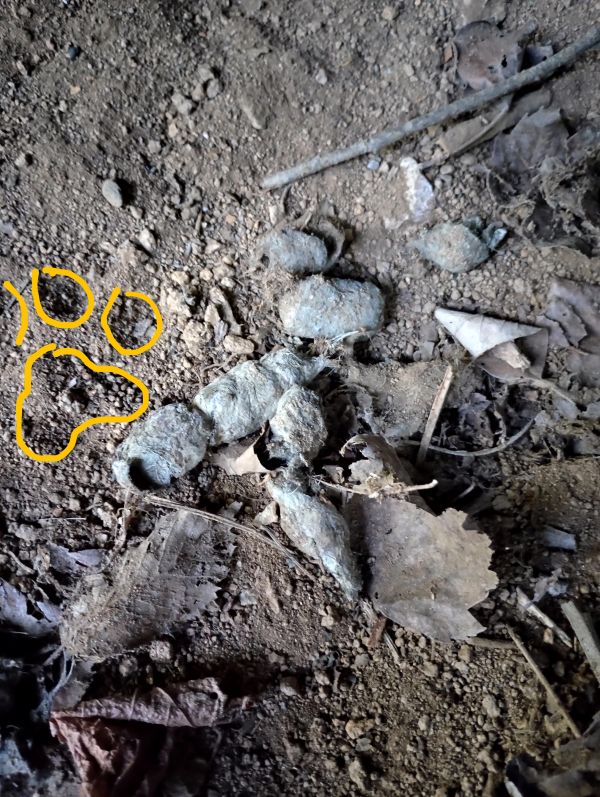
🦊 Tracks leading to and from the den
🦊 Scattered bones, feathers, or prey remains nearby
🦊 Playful, high-pitched yips or barks at dusk and dawn

The Transition to Independence

By late spring and early summer, kits become increasingly self-sufficient. Parents start leading them farther from the den, introducing them to new hunting grounds. By three to four months old, young foxes begin fending for themselves, though they may stay with their family until early fall before dispersing.

Observing Red Foxes Respectfully

If you come across a fox den in early spring, observe from a distance to avoid disturbing the family. Foxes are naturally wary of humans, and unnecessary interference could cause them to relocate. The best way to appreciate these animals is through patience and respect—allowing their wild instincts to unfold without disruption.

Spring is a magical time in the life of a red fox, filled with tender care, playful moments, and the first steps toward independence. As the season unfolds, their dens serve as a cradle of new life, a hidden world where survival skills are passed down, ensuring the next generation of foxes thrives.

Finding Hope in the Winter Forest

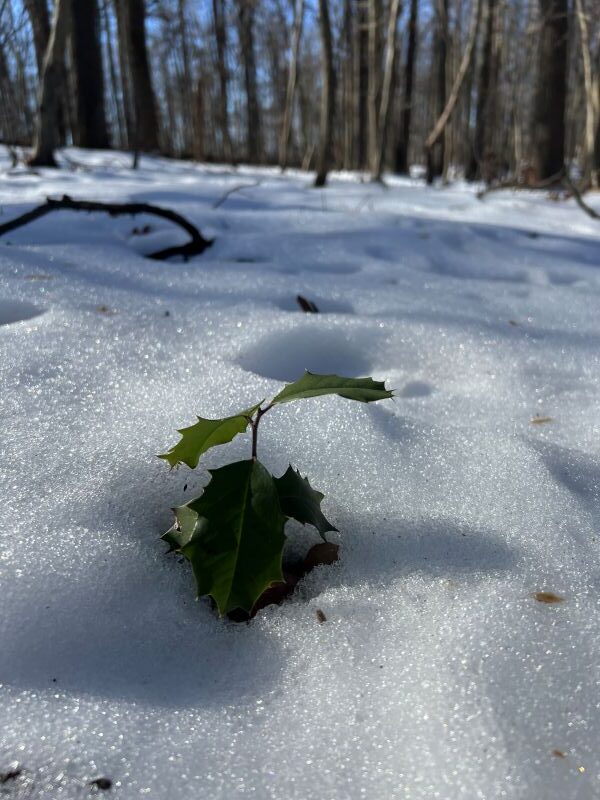
Stepping outside into the entrance of the forest near my home dominated by cedar, oak and tulip poplar I see bare branches -a mix of grey and brown trees reaching tall towards the white fluffy clouds and grey skies above me, and their roots hidden in the white blanket of covered earth below me. The snow feels fluffy beneath my feet and as I look down I see a flurry of fresh animal tracks as if the forest creatures had a party here last night 🙂 I see clear squirrel prints going every which way, deer prints walking in a straight line and even fox prints too. It makes me wonder what was happening around here? As I walk a little further out, a herd of about 30 deer stop in their tracks and we both stare at each other. A few turn away from me ready to flee with their white tails up in the air. As I continue to walk they stay and I can feel them watching me. The life in the forest is alive and well despite the freezing temperatures and naked tree branches awaiting new foliage. As I round a corner I almost walk on top of a holly tree sprout. The first green I have seen in this forest today. It immediately makes me smile.

The holly tree is a very sacred tree in Celtic mythology, representing peace, hope and goodwill. Holly leaves resist lightning and they used to be planted near peoples homes to protect them from lightening strikes! Because of their spiked leaves it is a wonderful abode for birds to protect them from predators and when their flowers bloom in the springtime their scent is beloved by the bees and butterflies 🙂 As an evergreen, no matter how dire it feels some days to me out in the bare bones of a winter forest the life represented in those green leaves bring me immediate warmth and joy. It is a good reminder that the leaves on all the trees will sprout again, flowers will bloom, and we will soon hear the buzzing of pollinators.

Seeing this little sprout of the holly tree peek through the snow reminds me of the opening circle we held during one of our homeschool programs. We had asked the kids what they most loved about Nature. A handful of those students who had been with us for a while thoughtfully answered in various ways that ‘being out in nature was very calming for them, it was peaceful, and made them happy.’ I think one of the special things about our programs is the sheer amount of time in Nature – something that doesn’t seem to happen too often (without intentionally carving out the time to do so) in our society these days. These very heartfelt answers gave me a lot of hope for our future – just like that little sprout of the holly tree. When children feel the impact and beauty inherent in the natural world it can create ripples of hope for our future on this planet far wider than we may realize.

– Laura Rose, Field Instructor

Tracking: A Story Waiting to be Read

“Tracks occur where the sky touches the earth” The Tracker – Tom Brown Jr

I have this vivid memory of taking a cardboard box, some string and a carrot into the woods across the street from my house.  As seen in the cartoons, I found a stick, tied the string to it and propped up the box with the stick and put the carrot underneath.  With the opposite end of the string in my hand, I laid in the brush several feet, watching, waiting.  I don’t remember how long I laid there, but I had nothing better to do, so it was quite a while. I was feeling good about this attempt as cartoons made it very clear that carrots were a rabbits preferred food, not to mention I would always see rabbits along the edge of the woods. I was hoping one would come along and go for the carrot at which point I would pull the string and trap it under the box.  To my surprise, and disappointment, nothing came and I didn’t understand why.

If only my grandfather, or even my “great” “great” grandfather had been taught the old ways of their “great” “great” grandfathers, so that my father could pass them onto me.  But unfortunately, that is not my history.  However I had this deep passion to learn the old ways at a very young age. 

Life went on, time passed, and thanks to the skills my father possessed and could pass on, I learned the ways of being a successful “modern” man, modern awareness and how spot the predators of the city and suburbs.  Then one day, thirty years ago, I read a book changed my life.

I was given a copy of The Tracker written by Tom Brown Jr. I couldn’t put the book down. Next thing I knew read his next 5 books and had a more questions about who I was and what is our purpose as humans on this earth.  At the end of each book there was a note in the back saying something along the lines of “if you’re interested in learning more about these skills, contact the Tracker School…”

Without telling the long version of the story, I ended attending the Standard class (a level 1 class) at the tracker school.  There I learned, with 125 others, the sacred order of survival and our basic needs to live; shelter, water, fire, and food.

During the standard Tom taught hours and hours of animal tracking, down loading enough information to fill a college credit course.  I couldn’t believe how much information was stored in a single track on the ground. Throughout the week It became very clear Toms passion was tracking and he was a tracker.

Reading that book, finding the Tracker School, and attending that class filled a void within my being that I had no idea existed.  Everything about my childhood started to make sense.  My passions, how I learned, the things that made me feel alive all came together within my being and I began to feel complete, with a drive to learn more about who I am and what my purpose was through learning the “old ways”. 

Tom said, “tracking is like reading a book, there is a story that is being told with each track being a word, The trail a paragraph, and the story ends when you find the final track.” He also said “when you’re tracking an animal, you become the animal and begin to “see through their eyes,” living their story.”

With each track you can learn so much. How fast they were moving, which way were they looking, if they were comfortable or on alert, hungry or satiated and so much more. The more you more you track, the more questions you ask, the more you ask more becomes apparent, sentences, and paragraphs of the story would become clearer. If only I was taught how to read tracks at the same time, I was introduced to the written word… if only.

Bill Kaczor – Director/Co-founder

How our Ancient Traditions can help us Today

While most people may think of primitive skills/bushcraft in purely practical terms (e.g. making a shelter to stay dry, firemaking to cook and keep warm), an often overlooked aspect of learning and practicing these skills, is the community and sense of empowerment that comes from being in nature.

When I began working at the Wood Wise summer camps, the bulk of my nature experiences, like most people from cities and suburbia, came from yearly camping trips with my family. I remember our tried and true method of making a fire: drive to the camp site’s store, buy firewood and then douse it in lighter fluid and light in the fire pit. Fire in addition to being one of humanity’s earliest and most important discoveries is also a community builder. Most can attest to the comradery and familiarity that a camp fire brings.

When I started working at Wood Wise Camps, I was introduced to Bow Drill:
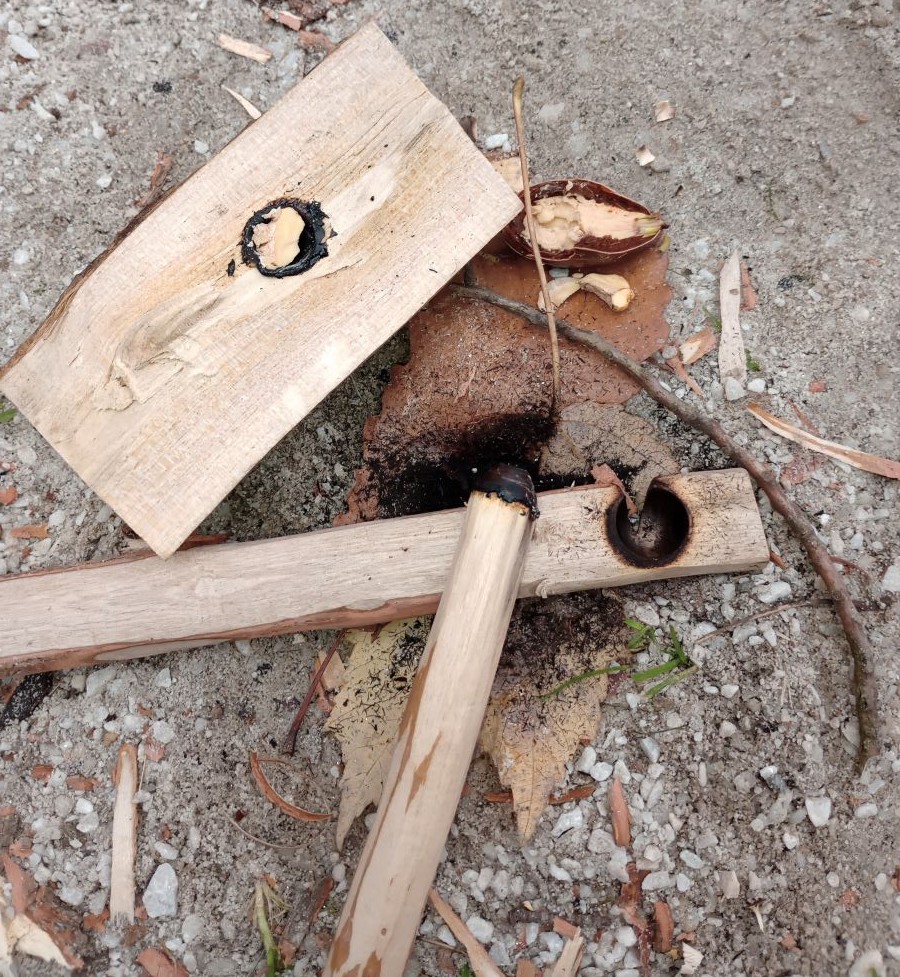
Bow Drill is one of the oldest fire making tools, consisting of a wooden bow, tied with some form of cordage, a hearth board, a handhold, and a spindle. It has been used by people from North America to Egypt. The Egyptian style of Bow Drill has been used since around 2000 BCE, The Egyptian bow drill differs from other styles by tying the spindle to the string using a clove hitch and then wrapping the excess cord around it.

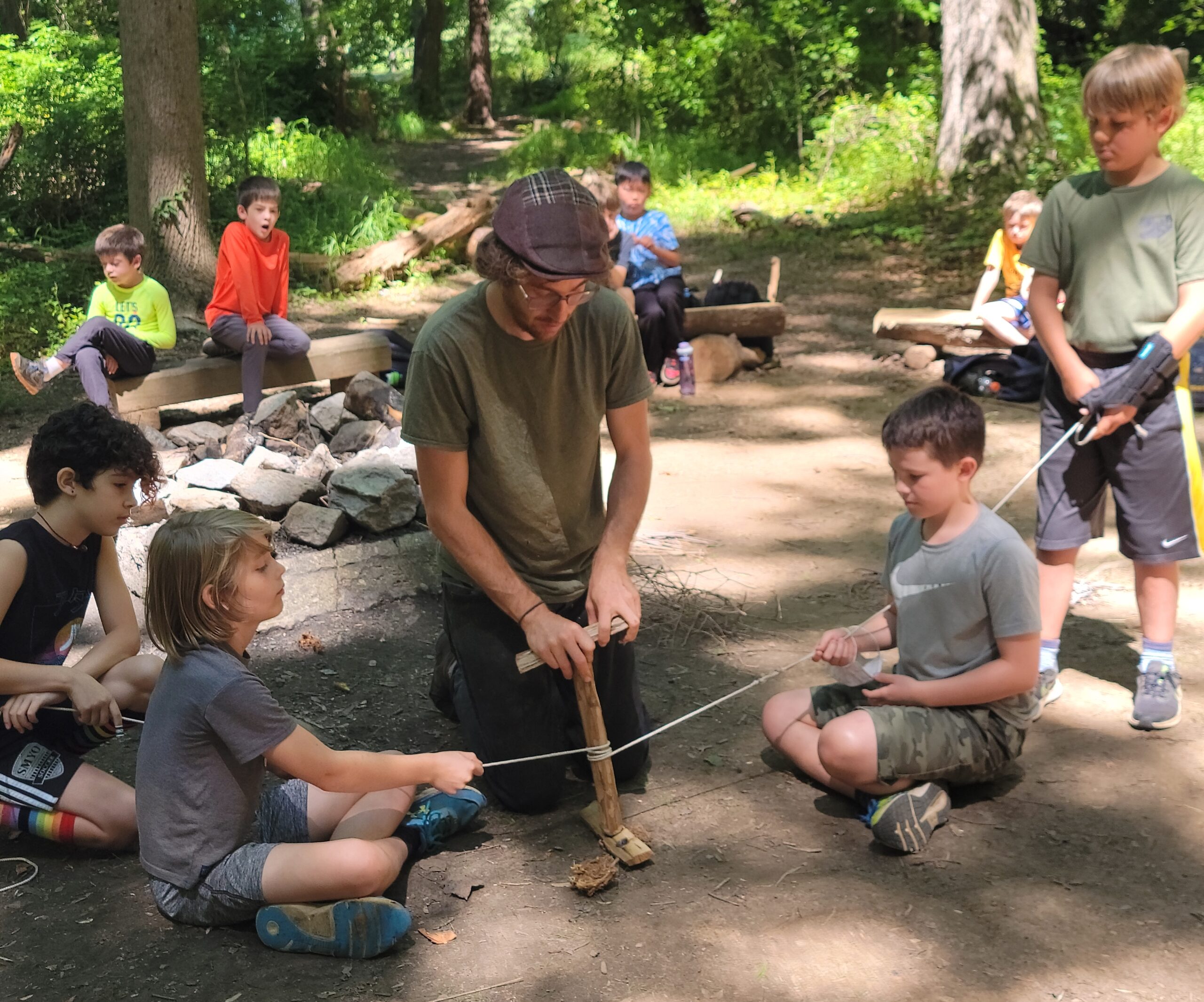
One of the activities we did at camp, was group bow drill. Seeing a group of around six people, pushing and pulling a rope, easily working in tandem to reach our goal of fire, reminded me of something I think we’ve lost in modern society, community. For most of our history, people lived in smaller, more connected communities with every person having a role to play in it. I think by practicing these skills and getting back to nature, we not only gain survival skills but a direct link to how our ancestors lived.


I would consider myself to be a fairly shy and withdrawn person, but being able to connect with this small pocket of community and to act as a Mentor with these skills, has grown my confidence. I have seen this same transformation take place in the kids I’ve taught, children have come to programs shy and timid but upon getting into the woods, building debris shelters and experiencing nature, they come alive.

Today, it’s important to engage in a community that encourages cooperation and sharing of ideas and technique, especially as trends show every subsequent generation growing more isolated than the last. I can not think of a better way to connect with others and your environment than to learn and practice the skills that our ancestors used to survive and thrive.

By Ben Kamm (Field Instructor in Training)

Awareness and returning to “baseline”

What does the word awareness bring to mind for most people?

Maybe…Time management skills, a good sense of social etiquette, quick reaction time while driving?

The demands of our busy lives may give us a different idea of the “aware” human, but try to think of instinct, on more animal terms. In the forest, we have a chance to practice these skills away from the disruptions of other humans and the busy, modern world, and to carry them out into that world with us. Listening to the subtle cues in the language of the forest and creatures can help restore our sensitivity and perception.

How do most humans move through the city?

We tend to look straight ahead, our vision fixed on our destination, walking with firm and quick steps in sensation muffling , foot compressing shoes.

When moving through nature, we can learn to roll our foot in a way that minimizes sound when we walk, feeling every obstacle before we have a chance to break it, “fox walking” through the woods. This is done best barefoot, or in thin soled shoes/moccasins but can be achieved in almost any footwear. If you’d like to try, start barefoot. Walk with relaxed, slightly bent knees. Place the blade of your foot upon the earth first, and roll towards the center, your heal landing last. This allows you to adjust your movement if you feel something like a rock or stick that could snap. Some find a kind of walking meditation in this exercise, and with continued use, it may start to come naturally to you. There is more intention in this way of walking, you may find that it forces you to observe the present rather than dwell in your thoughts.

Where do we tend to focus our gaze when navigating the city?

Most people tend to look straight ahead, as previously stated. They may miss things above or below them. People who have a sense of hyper-awareness may use a form of wide angle vision already, watching others from the corner of their eye, when their guard is high.  We can learn to open our vision, widening the boundaries of our sight, until we can watch all that is moving around us, versus one fixed point.

An exercise in “Wide Angle Vision”, or “Owl Eyes”:

Stand with your arms a bit wider than your body. Wiggle your fingers and stare straight ahead. Slowly bring your hands out as far as you can, until the motion of your fingers is on the very edge of your range of vision. Keep looking straight ahead while watching this motion. This can make it easier to slip into Wide Angle Vision, with practice.

How do we listen, vs the animals we observe?

Our ear dish is rather small, compared to a deer or a dog. You’ve probably seen these animals swivel their ears in order to pinpoint a sound. We can mimic this larger, more effective ear dish, with our hands. We can also create a more pinpointed sound, by swiveling our cupped hands, or turning them around, to listen behind us. We can open our ears to more, creating the dish with our hands for the sound to bounce off of, angling forward and back, as the deer do.

  Think of the forest as a watery surface, each disruption you cause, through sound or movement, sends out a ripple that we call a concentric ring. This concentric ring consists of alarm calls from birds and squirrels, and warnings from fleeing creatures, warning of your presence, traveling through the area. When the ripples you cause have calmed, the forest has returned to “baseline”. These concentric rings create anywhere from a 20 minute to a 40 minute disruption in the baseline. We use Sit Spot as a tool to increase our awareness and practice this return to stillness. As we learn to walk silently, to listen and to see, we can sit in this quiet state for hours. We start to see things as they are, no longer only experiencing human disruption.

If you find the time, take a pause this week. Sit beneath a tree, open your deer ears, and let things be still.

By Eden Cornelius (Program Coordinator and Field Instructor)